
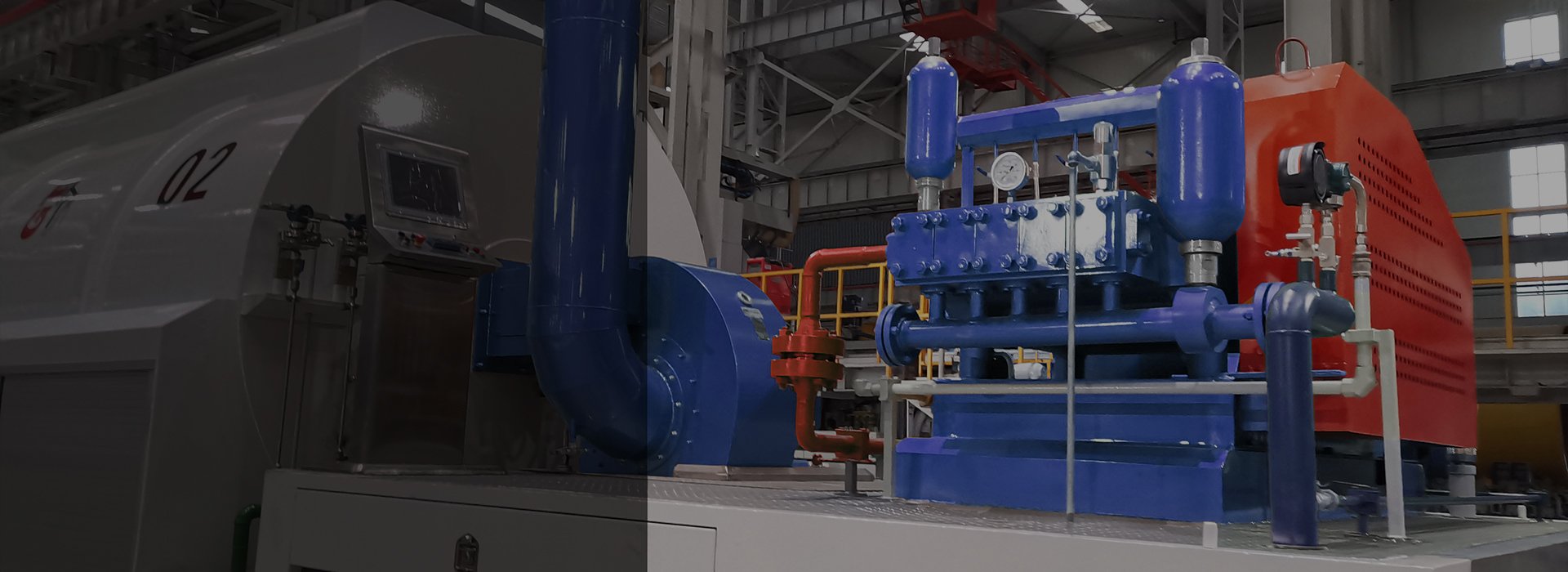
YOUNAI Plunger Pumps Meet Demanding Requirements
- High to ultra-high pressure, from 16Mpa to 200Mpa;
- Small, constant, precisely metered, or proportional flow rates;
- Capability to convey various fluid media;
- Excellent suction performance and high efficiency.
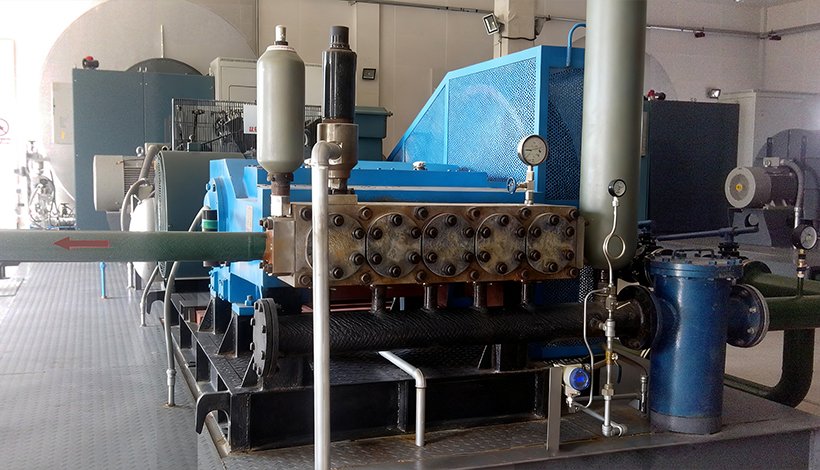
What is a plunger pump?
A plunger pump is a type of positive displacement pump. Its most core component is the smooth cylindrical plunger that slides back and forth in a precision-sealed chamber. On its retraction stroke, fluid is drawn in through the inlet valve and discharged through the outlet valve. It is this direct, forceful action that allows plunger pumps to excel in high-pressure applications.
YOUNAI Plunger Pumps
YOUNAI plunger pumps are engineered for durable and reliable performance in continuous high-pressure operation, delivering a superior solution for high-pressure applications.


Spare Parts
 High Pressure Plunger
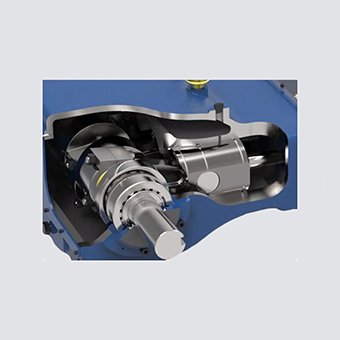 Reciprocating Plunger
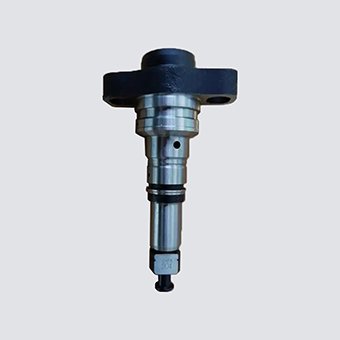 Connecting Rods
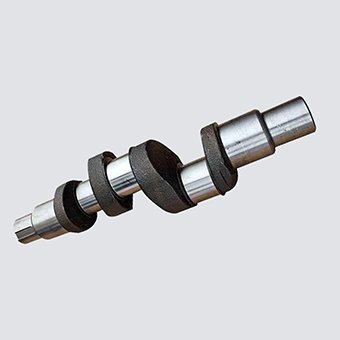 Crankshafts
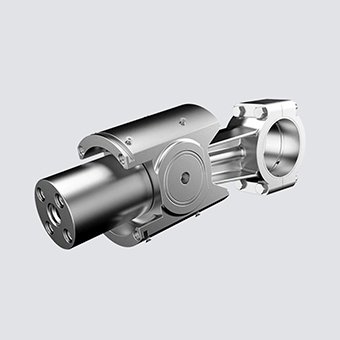 Tapered Roller Bearing
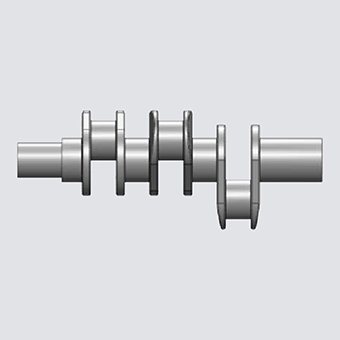 Plunger Pump Crankshafts
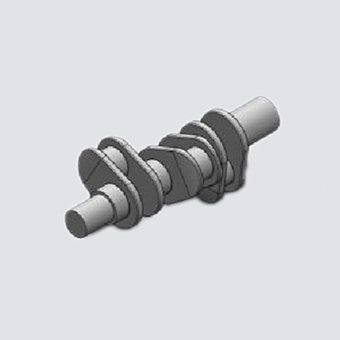 Reciprocating Plunger Crankshafts
Plunger Pumps Main Benefits

Delivers high volumetric efficiency with minimal outlet pulsation.

Maximizing service life with advanced manufacturing techniques.

Ideally suitable for continuous use under high pressure.

Ensures smooth, stable and quiet operation with very low vibration.

Versatile for multiple industries and a wide range of fluids.

The robust plunger pump built for 24/7 performance.
YOUNAI Plunger Pumps: Industry-Leading
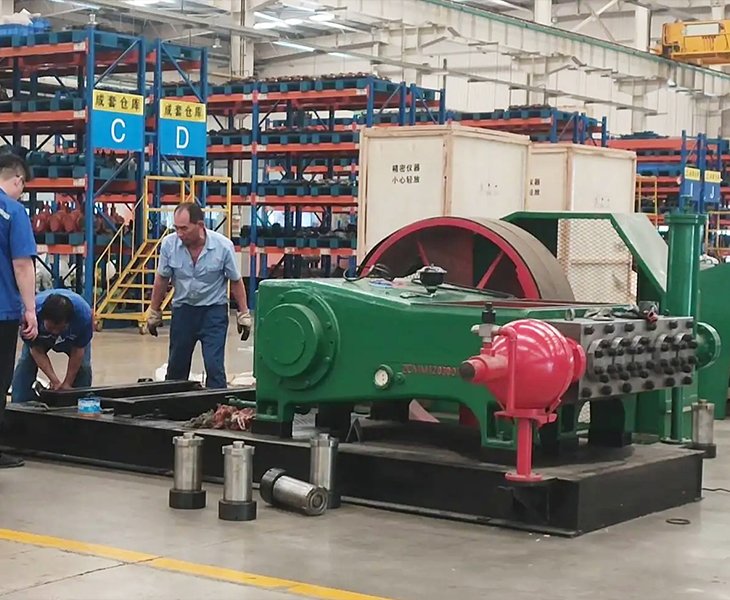
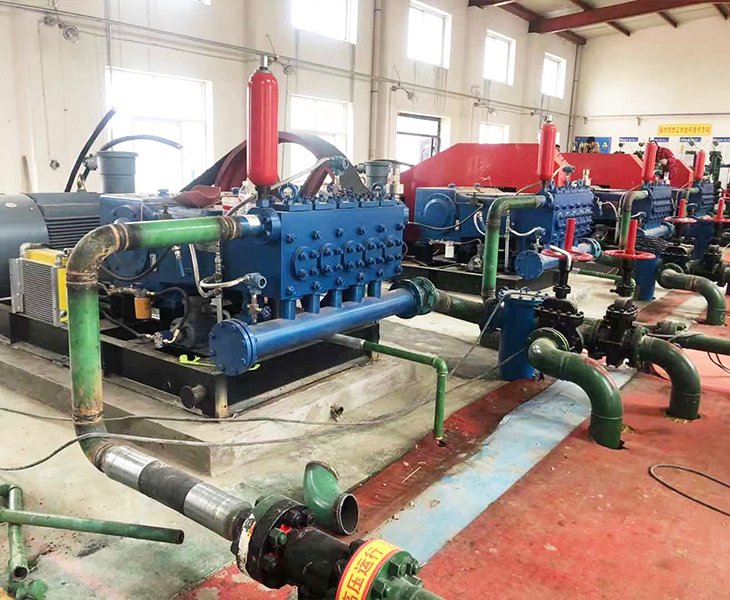
our plunger pumps deliver exceptional power and a high pressure rating, offering a maximum pressure of 200 MPa, a maximum flow rate of up to 3500 L/min. Whether using triplex or quintuplex plunger pumps, both provide efficient reciprocating positive displacement for high-pressure industrial fluid handling, delivering the robust efficiency, reliability, and durability required for continuous operation. Through advanced manufacturing techniques, YOUNAI plunger pumps deliver this performance, ensuring significant energy savings and reduced operating costs over a maximized service life.
YOUNAI Plunger Pumps: Superior Corrosion Resistance
Crafted with world-class manufacturing, YOUNAI’s plunger pump fluid ends are available in a range of materials including duplex stainless steel, super duplex stainless steel, titanium, titanium alloy, and Hastelloy, offering excellent resistance to both acid and alkali corrosion.
Notably, YOUNAI’s titanium/titanium alloy plunger pumps are built with world-class manufacturing techniques, making them suitable for use in corrosive environments, even in high-salinity conditions.
Applications of YOUNAI Plunger Pumps

- High pressure cleaning
- High pressure descaling
- Reverse osmosis
- Cooling and fogging
- Metalworking and manufacturing
- Blow out preventer (BOPV) actuation

- Oil and gas
- Flowline circulation
- Pipeline pigging
- High pressure water injection
- High pressure sewage injection
- High pressure polymer injection

- Methanol injection
- Glycol circulation
- Hydrocarbon – Condensate
- Carbamate and ammonia
YOUNAI Plunger Pumps for Polymer Injection
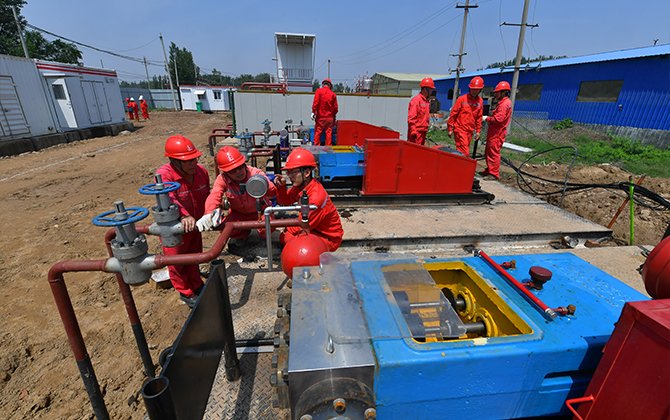
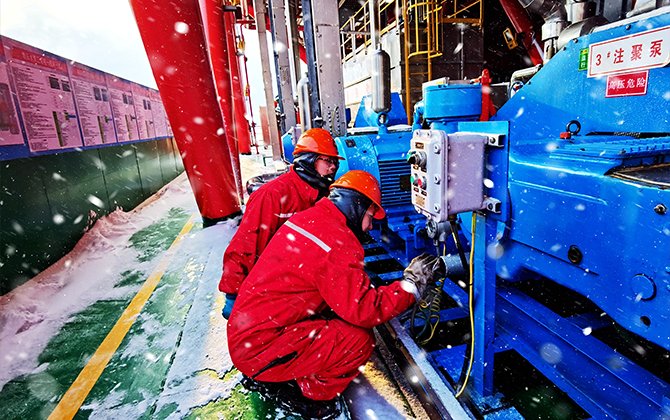
In the oil industry, YOUNAI’s Polymer Injection Pumps are specialized for EOR, engineered to inject HPAM at high pressure while preserving viscosity.
Key design features of this plunger pumps including: long stroke and low pumping speed , the frequency is low; valve structure with slow seating speed; fluid end materials absent of at Ca2+, Mg2+, Fe2+ ions to avoid chemical degradation of the medium. Customer feedback confirms that our polymer injection pumps achieve the lowest mechanical shear, with polymer viscosity degradation consistently limited to ≤ 3%.
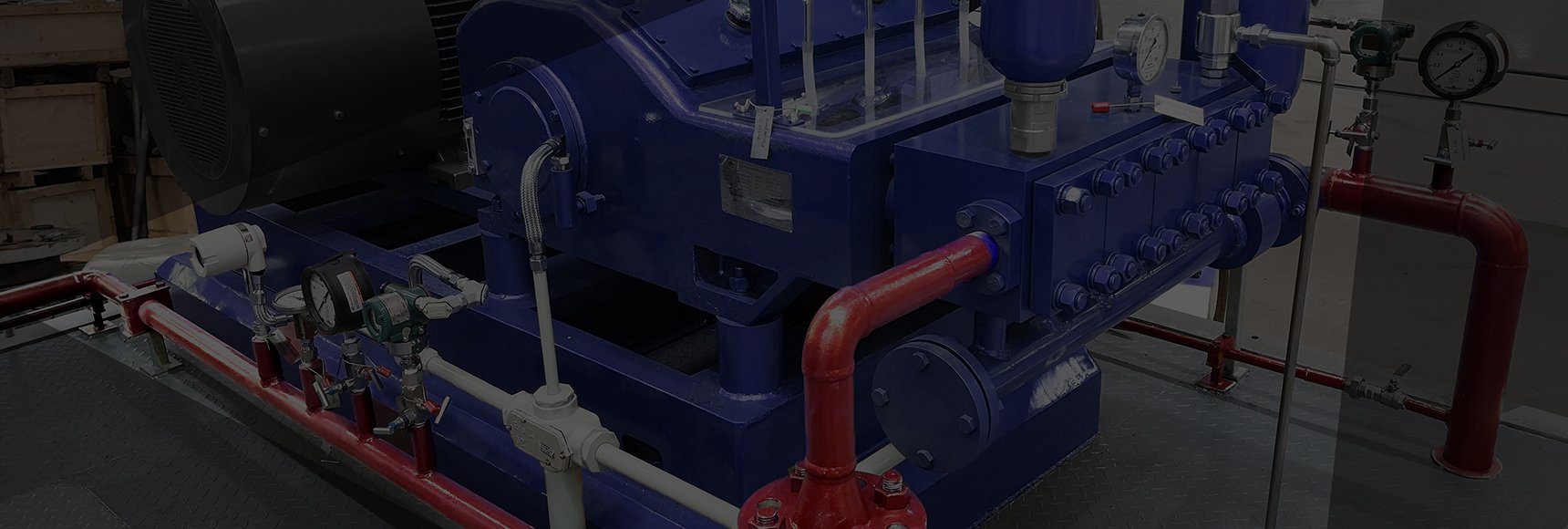
A plunger pump is a type of positive displacement pump that works by relying on the reciprocating motion of a plunger in a sealed cylinder. Its core component is a smooth, cylindrical plunger. As the plunger pulls back, it creates a suction that draws fluids in through the inlet valve. When it pushes forward, it builds up pressure and forces the fluids out through the outlet valve. This powerful and direct action makes plunger pumps particularly suitable for high-pressure duties.
Different from piston designs, a triplex plunger pump employs a plunger that reciprocates within a stationary stuffing box to control the working volume, while a piston operates by sliding back and forth within a hollow cylinder. This robust design allows triplex plunger pumps to handle significantly higher pressures than piston models.
Plunger pumps are widely used in the petroleum industry. The industry gives them specific names based on their intended function. A plunger pump used to deliver and circulate drilling fluid to the bottom of a well during drilling is called a Mud Pump; A plunger pump used to inject high-pressure cement slurry into the wellbore for well wall consolidation is termed a Cementing Pump; To create artificial fractures, a plunger pump that injects fluids containing large solid particles or acid/alkaline solutions into the well is referred to as a Fracturing Pump; In water injection wells, a plunger pump used to inject high-pressure water into the reservoir is known as a Water Injection Pump; For extracting crude oil from production wells, the plunger pump employed is called a Rod Pump (or Sucker Rod Pump). The plunger pump used to inject polymer and displace oil is called a polymer injection pump.
Ready to find your ideal plunger pump? Our experienced sales team can help.The basic parameters of a plunger pump are flow rate, pressure and input power. Simply provide the medium properties, viscosity, temperature, and your required flow and pressure. We can quickly provide initial recommendations and a quotation. YOUNAI is committed to a timely response, ensuring your inquiry is handled quickly and efficiently.
Plunger pumps typically use either a gear reducer or a V-belt drive. A gear reducer delivers a fixed transmission ratio, a wide power range, and high efficiency. However, it is expensive and has relatively increased noise levels. In comparison, a V-belt drive sacrifices a fixed ratio and offers a narrower power range, but it provides smoother operation, significantly lower noise, a simpler structure, easier maintenance, and a lower initial cost.