
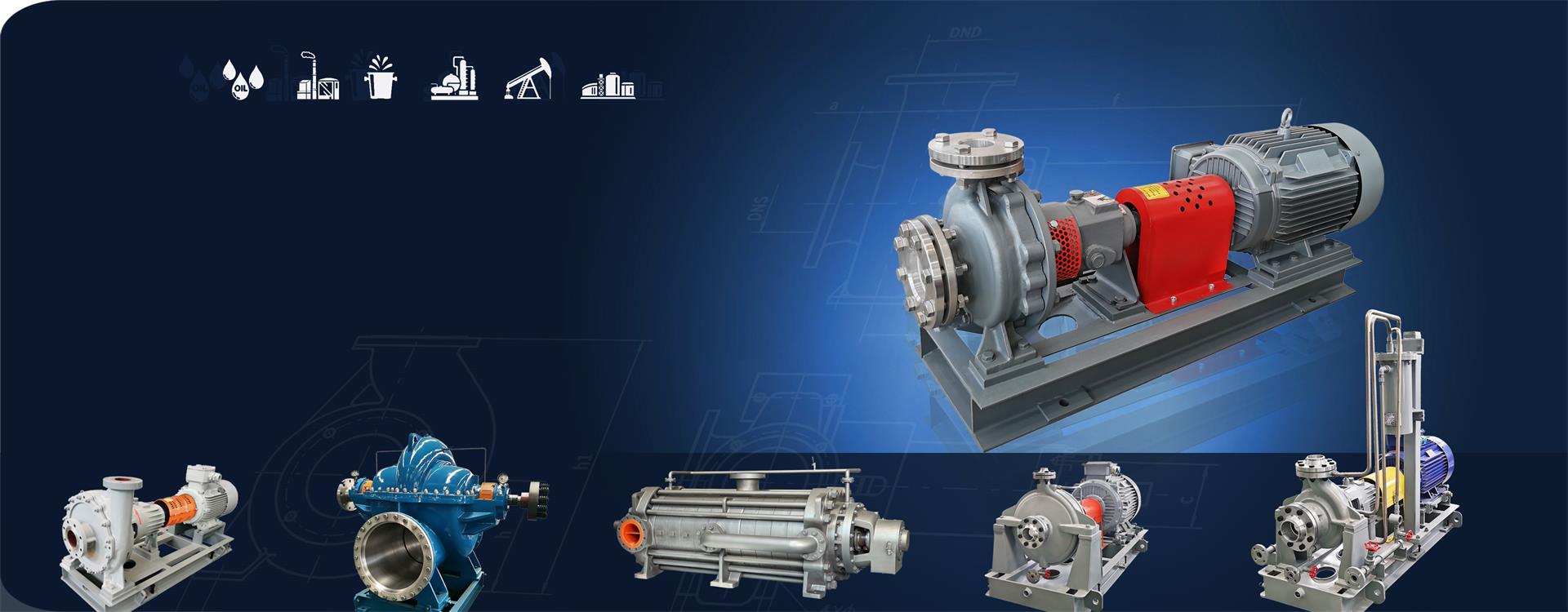
Why Choose Horizontal Centrifugal Pumps?
Horizontal centrifugal pumps combine reliable hydraulic performance with a robust mechanical structure, making them a preferred choice for industrial pumping systems. Compared with other pump types, the horizontal configuration provides greater shaft rigidity and more stable rotor support, accommodates a wide range of driver power ratings, and simplifies routine inspection and maintenance. These advantages make horizontal centrifugal pumps well suited for long-term, continuous-duty operation in chemical plants, power stations, water treatment facilities, and other industrial applications.
- Supports Higher Power Transmission——Horizontal shaft arrangements accommodate larger motors and heavy-duty couplings, allowing the pump to handle demanding loads and sustained continuous-duty operation.
- Stable Rotor Support——Heavy-duty bearings combined with a rigid horizontal shaft minimize deflection, reducing wear and improving long-term operational stability.
- Simplified Maintenance Access——With the shaft, bearings, and coupling positioned at working height, components can be inspected, realigned, or replaced without dismantling the casing or piping, minimizing downtime on continuous-duty lines.
- Adaptable to Demanding Operating Conditions——The horizontal configuration leaves room for auxiliary cooling systems, thermal insulation, or structural modifications, enabling reliable operation with high-temperature fluids or complex/abrasive media.
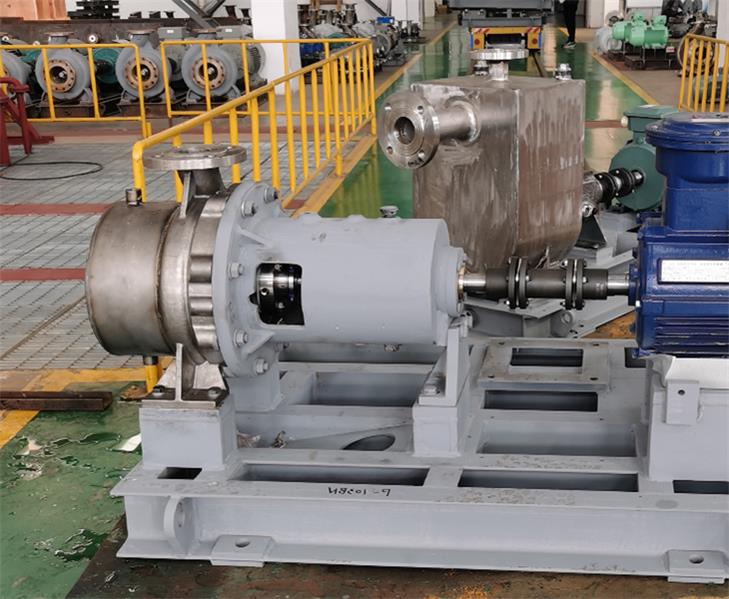
Horizontal Centrifugal Pumps
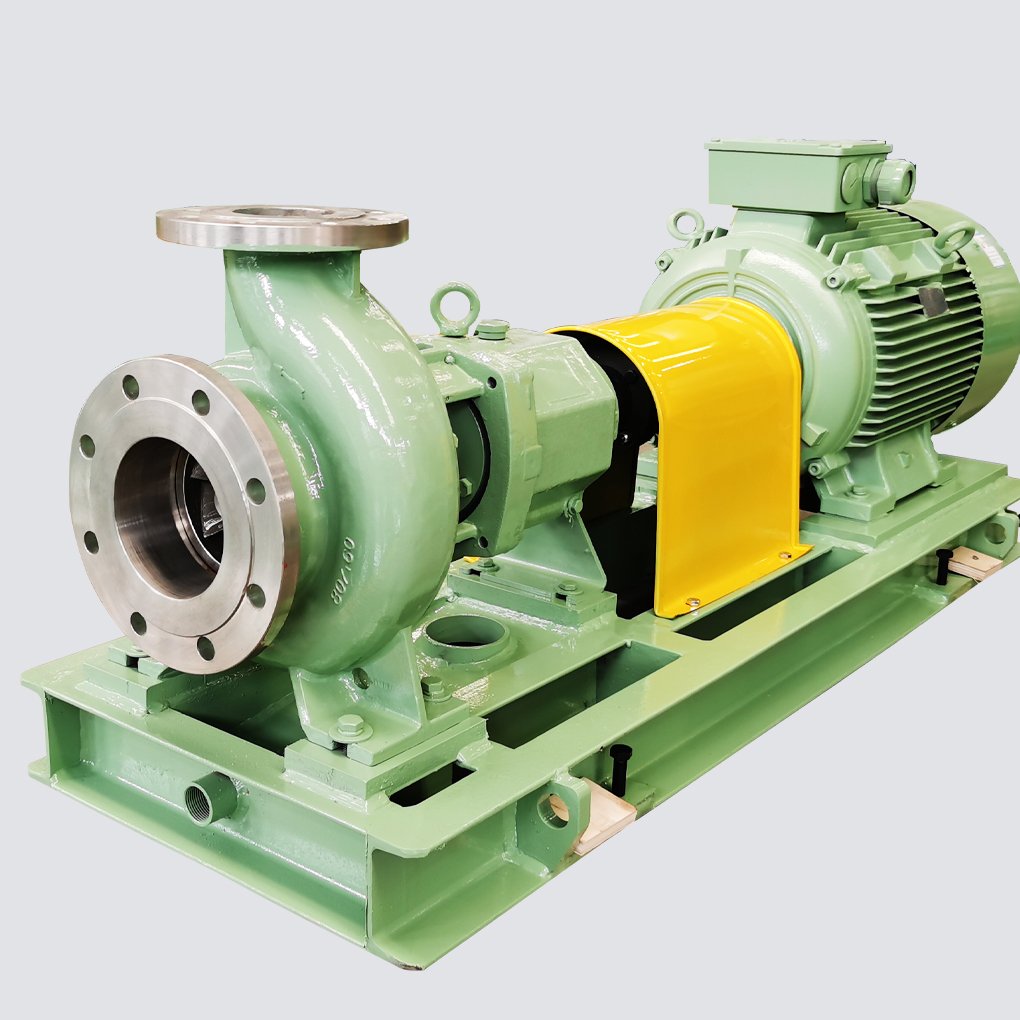
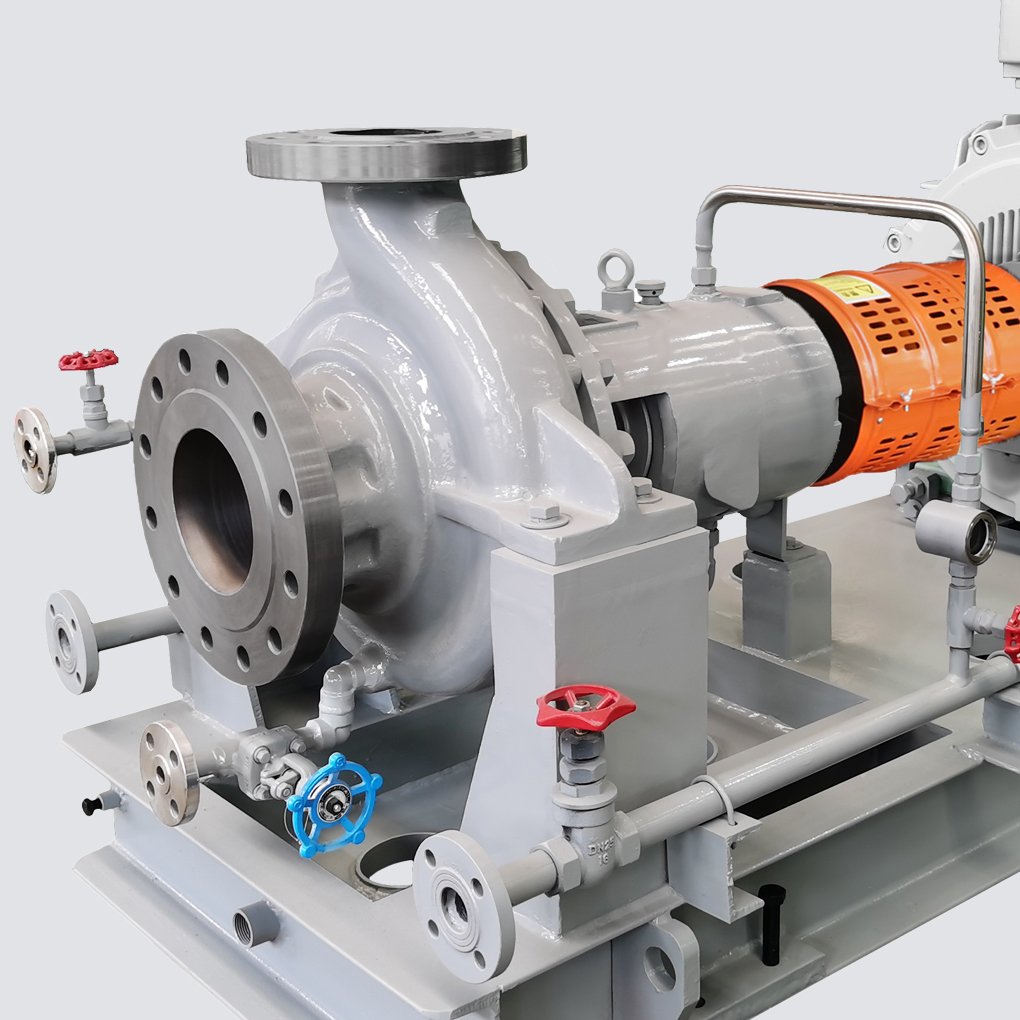
Centerline-mounted base plate
conform API610 standard
High-temperature service
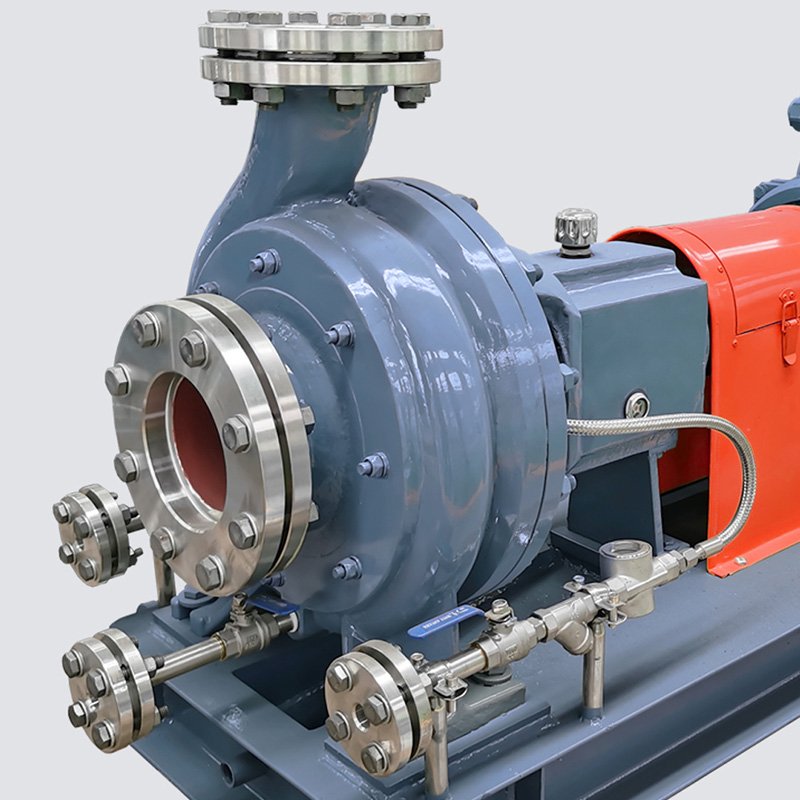
Semi-open or open impellers
High-interchangeability pump cover
Light-duty slurry
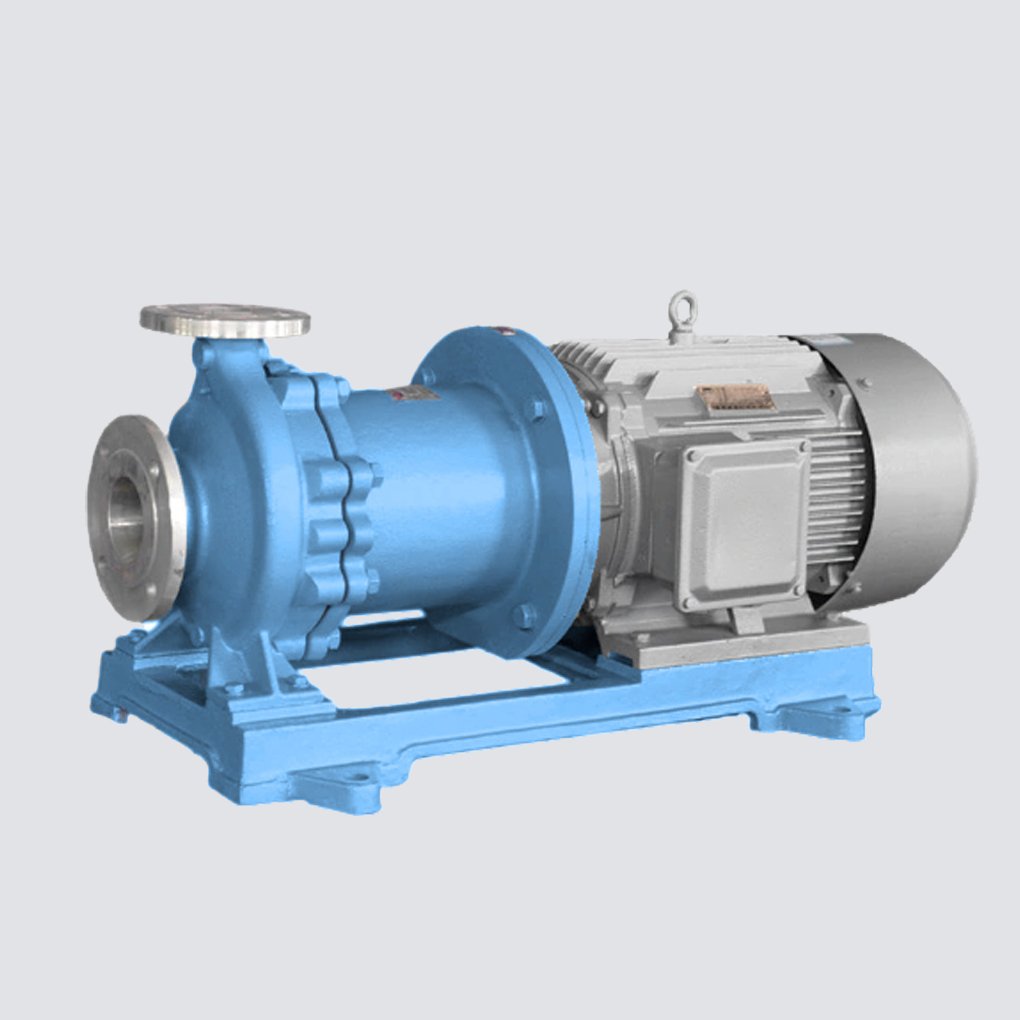
Extended Horizontal Centrifugal Pump Types
Horizontal centrifugal pumps represent a comprehensive product family designed to cover a wide range of hydraulic duties across industrial applications.
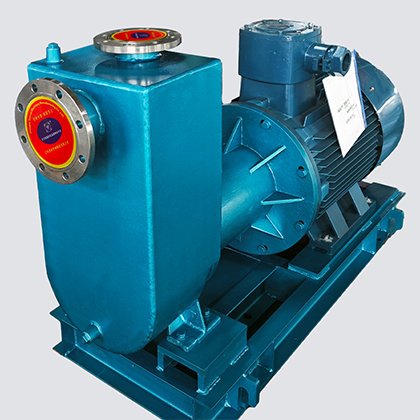 Horizontal Self Priming Centrifugal Pump
Non-clogging option for solids-laden fluids
self-priming capability
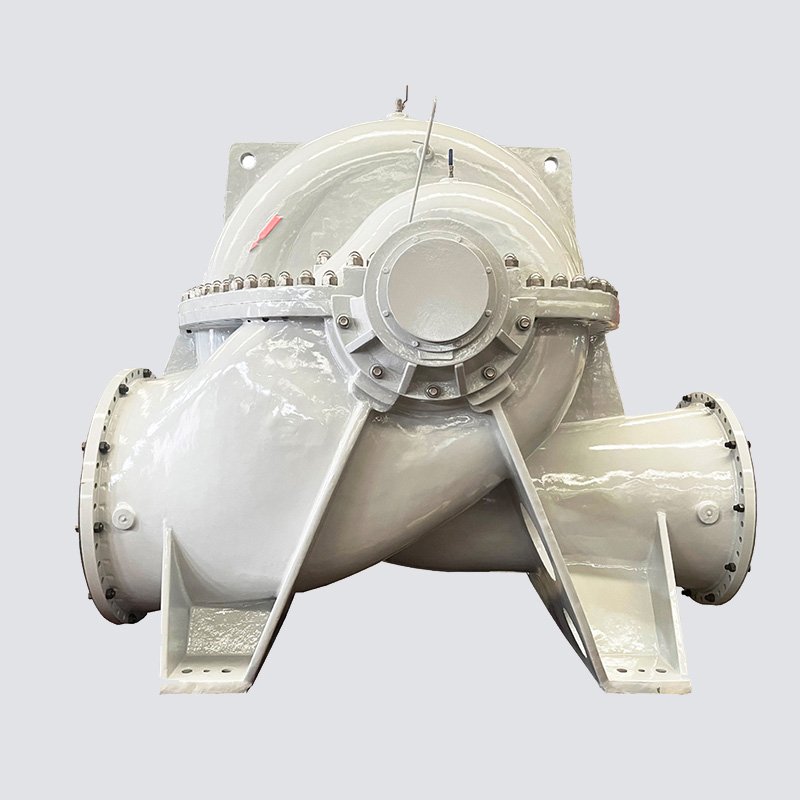 Large Capacity Horizontal Centrifugal Pump
Between-bearings
Double suction impeller
Low NPSH, inherent axial thrust balance
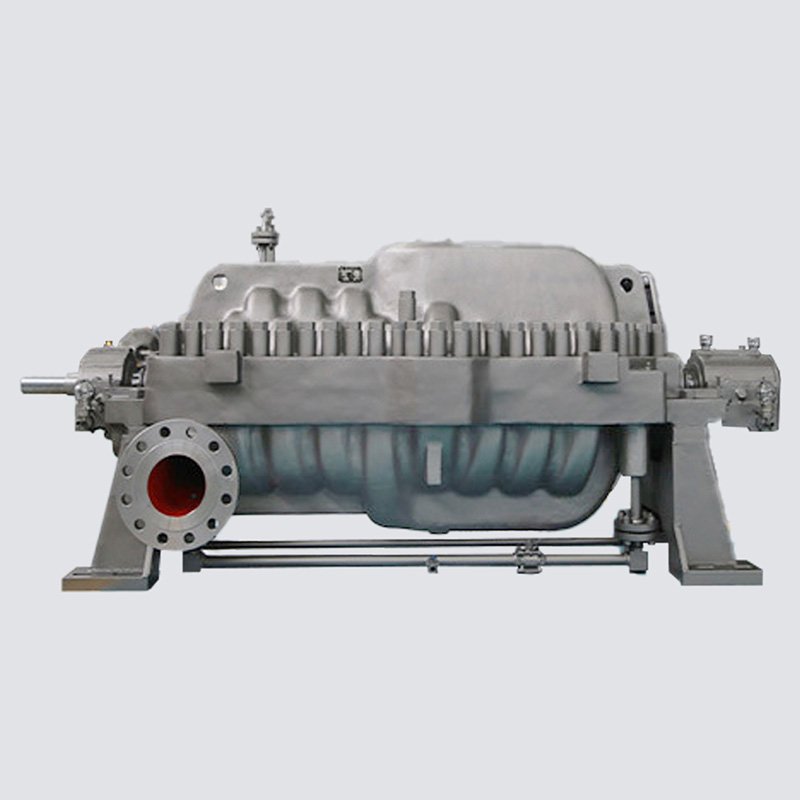 High Pressure Horizontal Centrifugal Pump
Axially split multi-stage
High pressure
Large capacity duties
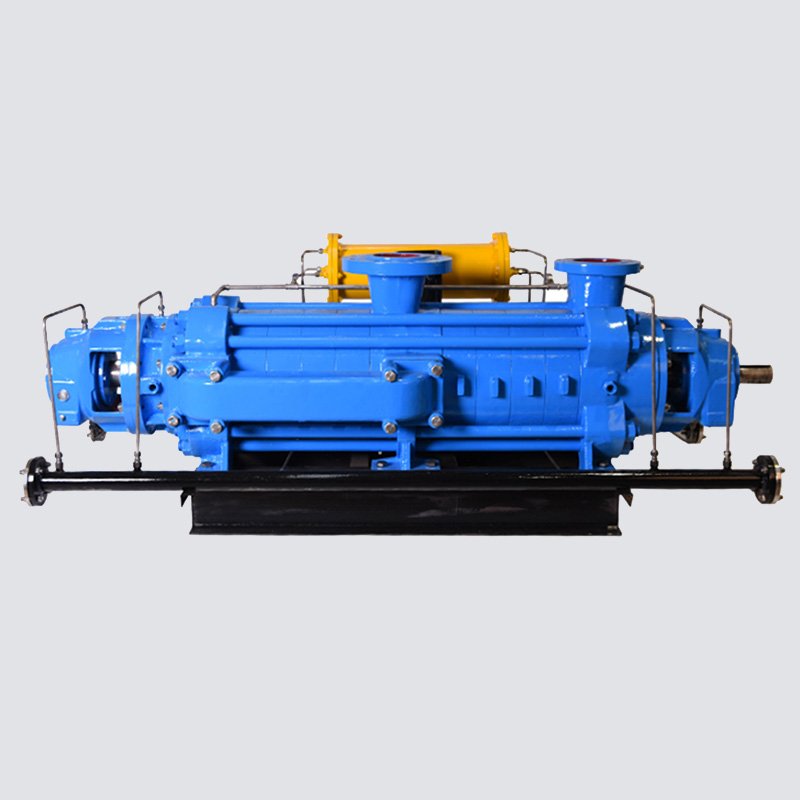 High Head Horizontal Centrifugal Pump
Radially split
Ring-section multi-stage
High lift moderate-flow services
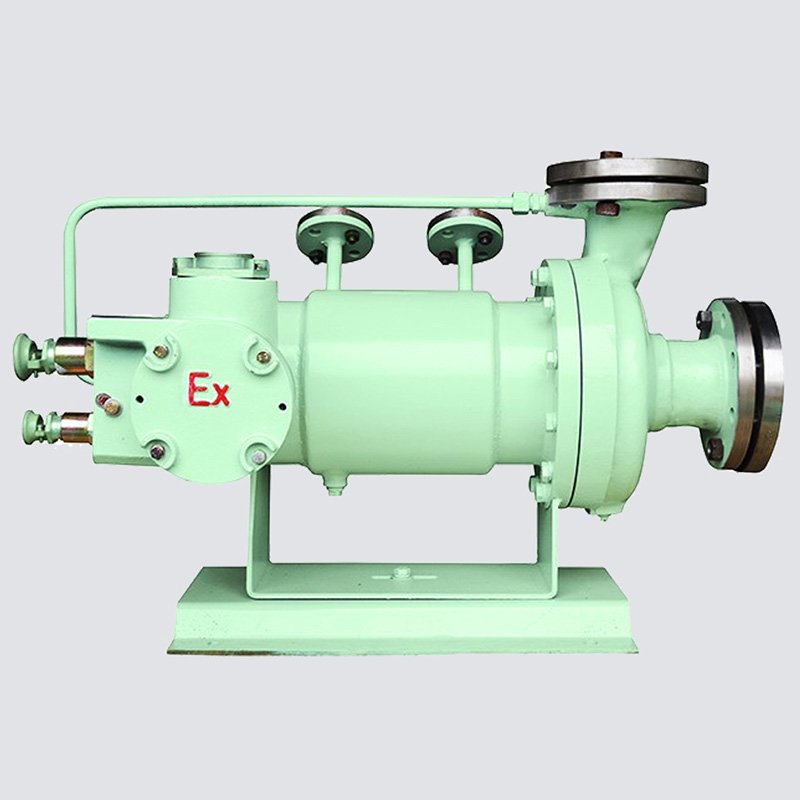 Horizontal Centrifugal Canned Motor Pump
Integrated pump-motor unit forms a sealed system
Zero leakage operation
Structural Design Highlights

Pump and motor share a rigid common base for stable, vibration-resistant operation.

Horizontal shaft positioning simplifies laser alignment and reduces bearing wear over time.

Top, side, or end suction/discharge configurations available to suit existing pipework.

Whether of back pull-out, split-case, or sectional construction, horizontal pumps are engineered to allow internal access for maintenance without removing piping.
Horizontal Centrifugal Pump Materials
- Carbon Steel & Cast Iron
- Austenitic Stainless Steel 304 · 316 · 316L
- Duplex Stainless Steel 2205 · 2507 · CD4MCu
- Nickel Alloys Hastelloy · Inconel · Monel
- Titanium Alloys Titanium (TA2 / TA9)
- Chrome Alloy Steel · High-Chrome Cast Iron
- Fluoroplastic Lining: PTFE / PFA
Material selection depends on the pumped media, operating temperature, corrosion conditions and industry requirements.
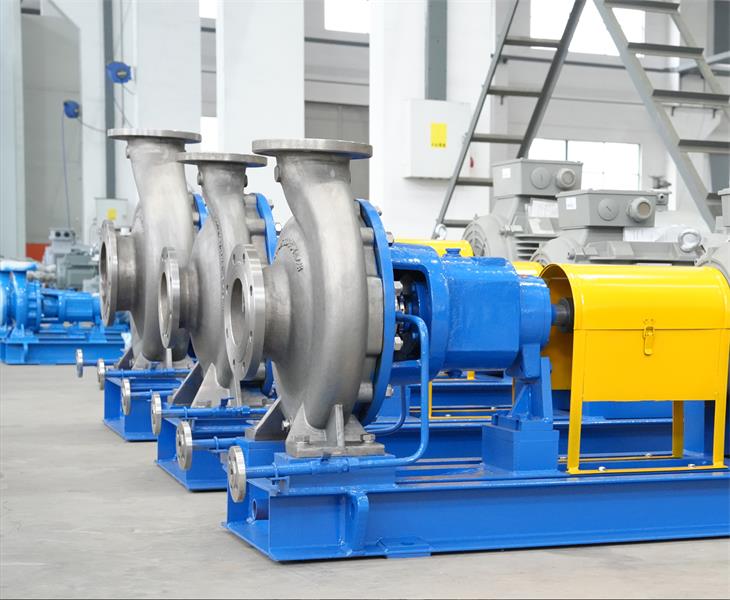
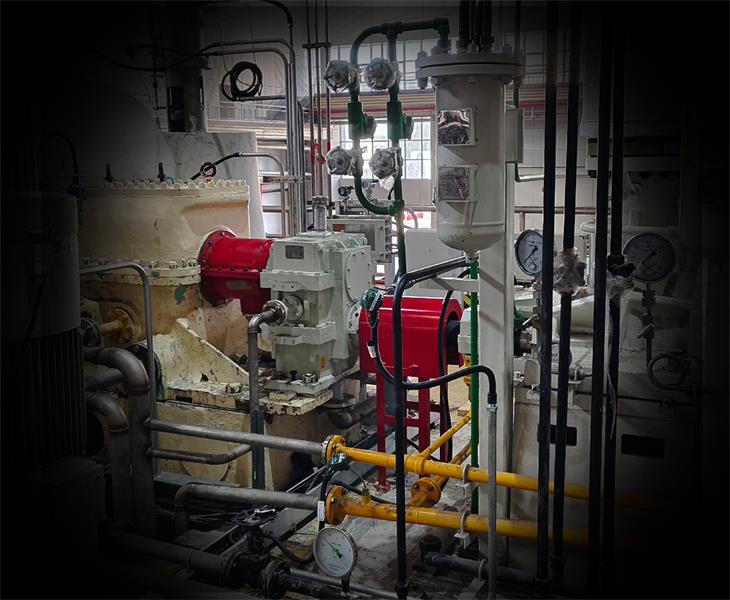
Drive Configurations for Horizontal Centrifugal Pumps
Chemical Processing: Explosion-proof Motor + Flexible Disc Coupling (Spacer Type)
High-Pressure Services: Electric Motor + Gearbox + Flexible Disc Coupling (Spacer) or Steam Turbine + Flexible Coupling
Fire Fighting Systems: Diesel Engine + Flexible Coupling (Spacer)
Long-Distance Pipeline Transfer: Gas Turbine + High-Speed Gearbox + Diaphragm Coupling
Heavy-Duty Industrial Service: Electric Motor + Fluid Coupling + Grid Coupling
Engineering Customization
Our horizontal centrifugal pumps can be customized to meet your specific process requirements and installation constraints.
Nozzle orientation can be configured to match existing piping layouts, minimizing on-site modifications and simplifying installation. Sealing solutions include cartridge mechanical seals and double mechanical seals, with API Plan 11, 21, 23, 32, and 53A/B/C.
For high-temperature applications, pumps can be equipped with centerline-mounted casings, thermal expansion compensation, and optional heating or cooling jackets to maintain shaft alignment, sealing reliability, and process temperature.
Manufacturing Capability
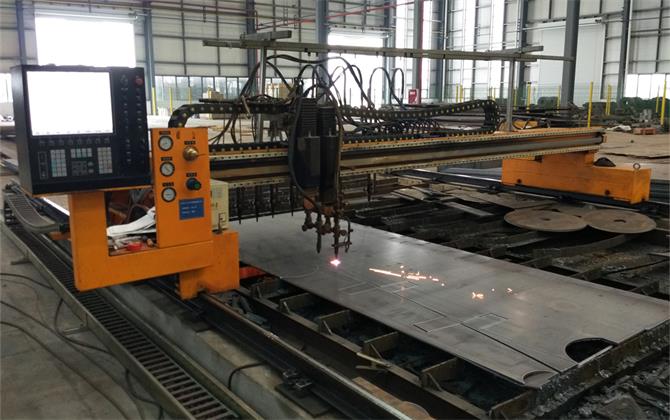
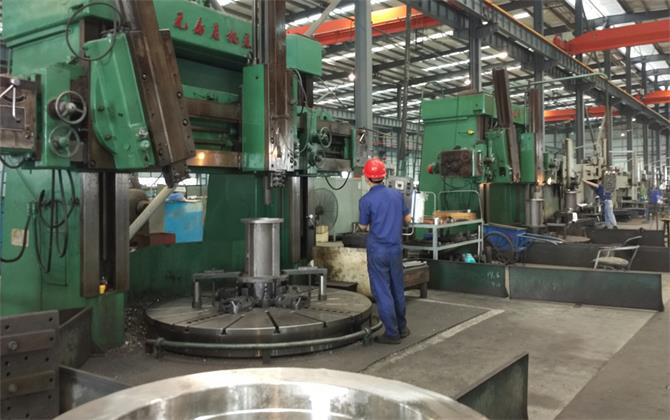
Our facility is supported by a comprehensive R&D, production, and testing infrastructure, with rigorous manufacturing processes and quality monitoring integrated throughout every stage of production. On the manufacturing side, our equipment includes a 4-meter vertical lathe, a GOODWAY turn-mill machining center, a 5-meter gantry machining center, a TSUGAMI automatic shaft machining center, and an OKK horizontal machining center, enabling high-precision machining of large and structurally complex components.
For testing and quality control, we employ handheld 3D laser scanners, a first-class precision test bench, a HEXAGON coordinate measuring machine, metallographic analysis equipment, a SPECTRO spectrometer, a NITON handheld spectrometer, and a SCHENCK dynamic balancing machine to inspect raw material composition, dimensional accuracy, and impeller balance, ensuring every product meets design and performance requirements before leaving the factory.
Designed and manufactured to ISO 5199; compliant with ASME B73.1 dimensional interchangeability. Pumps for petrochemical, oil, and gas applications — built to API 610.
Engineered for Continuous Industrial Service
Drawing on the engineering principles of API 610, our heavy-duty horizontal centrifugal pumps are designed for demanding industrial services, including oil & gas, petrochemical, power generation, and other process industries. Reinforced mechanical components provide long-term reliability in continuous-duty applications, whether operating at elevated temperatures, high pressures, or with abrasive media.
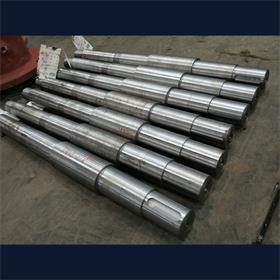
An extra heavy-duty, large-diameter shaft provides exceptional rigidity and minimizes shaft deflection under demanding operating conditions. Reduced shaft movement helps extend the service life of mechanical seals, wear rings, and bearings while improving long-term operating reliability.
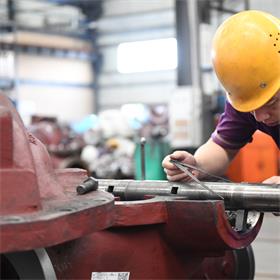
Heavy-duty bearing housings are designed to provide reliable rotor support and extended bearing life under demanding operating conditions. Multiple bearing arrangements, cooling options, and lubrication systems are available to suit high-temperature, heavy load, and continuous service.
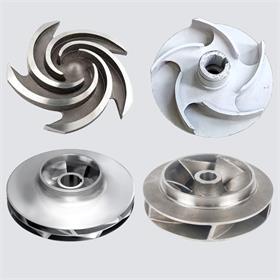
Impeller designs are optimized to match different hydraulic requirements and process conditions. Closed impellers maximize hydraulic efficiency, while semi-open impellers are better suited for abrasive or solids-containing media.
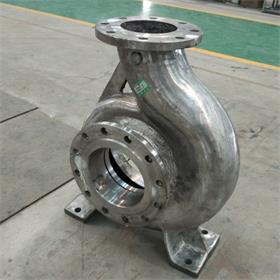
A reinforced high-pressure casing with increased wall thickness provides exceptional strength and structural rigidity for demanding industrial applications. It is designed to withstand high pressure and thermal stress, ensuring reliable performance and extended service life.
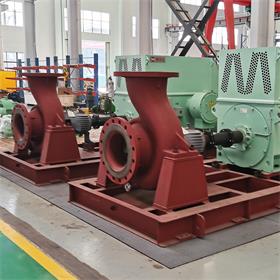
Centerline-mounted casing feet minimize the effects of thermal expansion and help maintain precise shaft alignment. Combined with a high-rigidity baseplate, the design effectively absorbs pipe loads and ensures stable, reliable operation under demanding industrial conditions.
Horizontal centrifugal pumps are widely used wherever liquid transfer is required. Typical applications span chemical, oil, and petrochemical processing, municipal water supply, district heating networks, wastewater treatment, power generation, mining and metallurgy, agricultural irrigation, seawater desalination, fire protection, and building services. Different hydraulic designs and material options allow the pumps to handle everything from clean water to corrosive chemicals and light abrasive slurries.
Yes. Horizontal centrifugal pumps can meet the demands of high-temperature service through optimized pump design, appropriate material selection, and sealing system configuration. Common types include OH2 horizontal centrifugal pumps (up to 450°C), centerline-mounted double-suction pumps (up to 220°C), high-temperature canned motor pumps (up to 450°C), and horizontally split multistage pumps (up to 210°C).
Yes. Horizontal centrifugal pumps are widely used in chemical plants and industrial processes to handle corrosive chemicals, including raw materials and finished products. Some of these fluids may also be toxic, volatile, or flammable. Depending on the chemical properties, pumps can be manufactured from corrosion-resistant materials such as stainless steel, duplex stainless steel, titanium, Hastelloy, or PTFE linings. Reliable sealing systems and explosion-proof motors can also be specified to ensure safe and dependable operation.
Standard models are typically available ex-stock or with short lead times of 2 to 4 weeks, backed by our extensive manufacturing capacity. Custom-engineered pumps and special materials may require additional time, though our delivery times remain well below industry average.
How to Select the Right Horizontal Centrifugal Pump? A Complete Guide
Horizontal centrifugal pumps are one of the most widely used pump types across modern industrial processes. They are extensively deployed in process industries such as chemicals, petrochemicals, and refining, as well as in the energy sector including natural gas and power generation, and in water-related applications such as water treatment and seawater desalination.
The reliability of a horizontal centrifugal pump depends not only on its hydraulic performance, but also on the design of its auxiliary systems and key mechanical components, including sealing systems, bearing arrangements, lubrication design, and overall installation conditions.
Pump selection is not a matter of simply comparing nameplate data or basic performance parameters. It is a technical selection process that requires application engineering expertise and a system-level understanding of process pump behavior. Improper selection may lead to reduced efficiency, cavitation damage, excessive vibration, seal failure, or premature bearing wear.
This guide provides a systematic approach to horizontal centrifugal pump selection, covering applications ranging from clean water services to API 610 process pump requirements, offering a practical reference for engineering decision-making.
Hydraulic Design Basis: Flow Rate and Head
The first step in pump selection is defining the required flow rate (Q) and total head (H). These two parameters determine subcategories of horizontal centrifugal pumps. Large flow and medium head applications typically favor horizontal double-suction centrifugal pumps; Medium flow and high head conditions are often handled by horizontal multistage centrifugal pumps; Horizontal single-stage overhung centrifugal pumps cover a wide hydraulic range and are available in various impeller and casing configurations, making them suitable for a wide variety of industrial applications.
For reliable operation, the selected duty point should be positioned close to the Best Efficiency Point (BEP). Operation far from BEP increases hydraulic losses, vibration levels, and radial loads on the shaft system.
In pump selection, the deviation between normal and peak operating conditions should be evaluated to anticipate potential performance variations across the full operating range.
Fluid Characteristics
Accurate evaluation of the pumped fluid is critical to ensuring reliable transport. Key parameters include pH value, viscosity, density, solids content, and crystallization tendency.
Among these, fluids containing solid particles pose greater challenges for selecting horizontal centrifugal pumps, requiring consideration of multiple factors such as semi-open impellers, open impellers, replaceable wear-resistant front casings, and replaceable pump covers.
Fluid properties directly influence impeller type, casing material selection, and sealing system configuration.
NPSH Evaluation and Cavitation Prevention
Net Positive Suction Head (NPSH) is a key parameter in centrifugal pump selection. To ensure reliable operation, the available NPSH (NPSHa) from the system must exceed the pump’s required NPSH (NPSHr) with an adequate safety margin.
When insufficient NPSH is available, cavitation may occur, leading to vibration, noise, hydraulic performance degradation, and erosion damage to wetted components.
Therefore, NPSH should be evaluated during both system design and pump selection. Proper suction conditions, including optimized piping layout, reduced inlet losses, and appropriate submergence, are essential to ensure sufficient NPSH margin. In low-NPSHa applications, additional design solutions such as low-NPSH impellers or inducers may be applied to improve suction performance and reduce cavitation risk.
Operating Temperature
Operating temperature influences material properties, thermal growth, and sealing reliability.
High-temperature service may lead to:
- Differential thermal expansion between rotating and stationary components
- Reduced mechanical seal reliability
- Reduced bearing lubrication performance
Reliable operation is achieved through appropriate thermal design. Casing feet and baseplate are reinforced to carry nozzle loads in accordance with API 610, minimizing distortion under thermal and hydraulic stresses. Heavy-wall casing and rigid mounting design ensure structural stability and maintain shaft alignment under high-temperature operating conditions. Insulation jackets are available for maintaining stable temperature distribution under high-temperature service conditions.
Material Selection
Material selection is based on the physicochemical properties and operating temperature of the pumped fluid.
- Carbon steel and cast iron are typically used for general service applications.
- Stainless steels (304 / 316 / 316L) are suitable for mildly corrosive environments.
- Duplex and super duplex stainless steels (2205 / 2507) are applied in chloride-containing media.
- High-alloy materials such as CD4MCu, titanium, and nickel-based alloys are used in highly corrosive service conditions.
However, in practical applications, material selection is not a simple one-to-one matching process. Operating temperature must also be considered, and some fluids exhibit both corrosive and erosive characteristics. Therefore, material selection requires both a strong understanding of materials engineering and extensive experience.
Sealing System Selection
Common shaft sealing systems include packing seals, single mechanical seals, double mechanical seals, and cartridge seal designs.
API 682 seal support systems (such as Plan 11, 21, 23, 32, 52, and 53A/B/C) are widely adopted to ensure reliability and extended service life under varying operating conditions. Seal selection has a direct impact on leakage control, maintenance intervals, and operational safety.
In chemical plants, mistakes in material selection or sealing system design, sometimes both at the same time, are far from rare, leading to substantial losses for end users.
A properly engineered horizontal centrifugal pump selection often makes a significant difference and completely turns the situation around.
We have experienced numerous similar cases. One typical example is as follows:
Horizontal Centrifugal Pump Replacement in Caustic Soda Service
In a PVC chemical plant, the raw material is 42% sodium hydroxide solution supplied from a caustic soda plant. The solution is then pumped to a dilution tank, where it is diluted to a 16–17% caustic solution for downstream processes, including neutralization in the acetylene section, sodium hypochlorite preparation, and caustic scrubbing in the vinyl chloride monomer (VCM) section.
The original pumps were made of cast iron, which suffered from severe corrosion and frequent shaft seal leakage, leading to repeated shutdowns and major maintenance interventions.
To improve system reliability, the plant introduced our solution as part of a full pump system upgrade. Our horizontal centrifugal pumps fully replaced the original pumps.
Our horizontal centrifugal pumps feature 304 wetted parts and 316 shafts for concentrated caustic service. Our horizontal centrifugal pumps use 316L for diluted caustic service. All pumps are equipped with double mechanical seals with API Plan 54 flushing support to ensure stable and reliable operation.
Following completion of the retrofit, the seven horizontal centrifugal pumps have been operating continuously for five years, with no recorded failures or leakage incidents.
The long-term performance confirms that reliable pump operation in caustic service is not determined by a single component, but by the correct integration of material selection, sealing system design, and application-specific engineering.
This case demonstrates that to achieve stable and efficient operation, it is essential to select the right horizontal centrifugal pump based on a system-level engineering evaluation rather than isolated parameters.
Common Engineering Selection Mistakes
Frequent errors in horizontal centrifugal pump selection include:
- Incorrect assessment of fluid properties (viscosity, solids, phase behavior)
- Operating far from the best efficiency point (BEP)
- Ignoring NPSH margin requirements, leading to cavitation risk
- Underestimating thermal effects on mechanical stability and alignment
- Underspecifying materials for corrosive or erosive service
- Overlooking continuous-duty requirements of sealing and bearing systems
- Selecting based solely on initial cost rather than lifecycle performance
Avoiding these mistakes significantly improves system reliability and reduces unplanned downtime.
Conclusion
Selecting a horizontal centrifugal pump is not simply a matter of fluid equipment sales; it requires a comprehensive engineering evaluation that takes into account hydraulic performance, fluid characteristics, NPSH safety, material compatibility, sealing technology, and mechanical design integrity.
A right selecting horizontal centrifugal pump enables reliable handling of complex fluids and ensures stable operation, high efficiency, and long service life under demanding conditions. This is a common goal shared by both pump manufacturers and end users.