
Why Engineers Choose YOUNAI
- High Efficiency, optimized hydraulics for lower energy consumption.
- Wide Hydraulic Coverage, helping match pumps closer to the BEP.
- Low NPSH, reducing vibration and improving operational stability.
- Large-Diameter Manufacturing, supporting water infrastructure projects.
- ISO 9001 Certified, ensuring consistent quality and reliability.
- Factory Performance Testing, verifying performance before shipment.
What Is a Double Suction Pump?
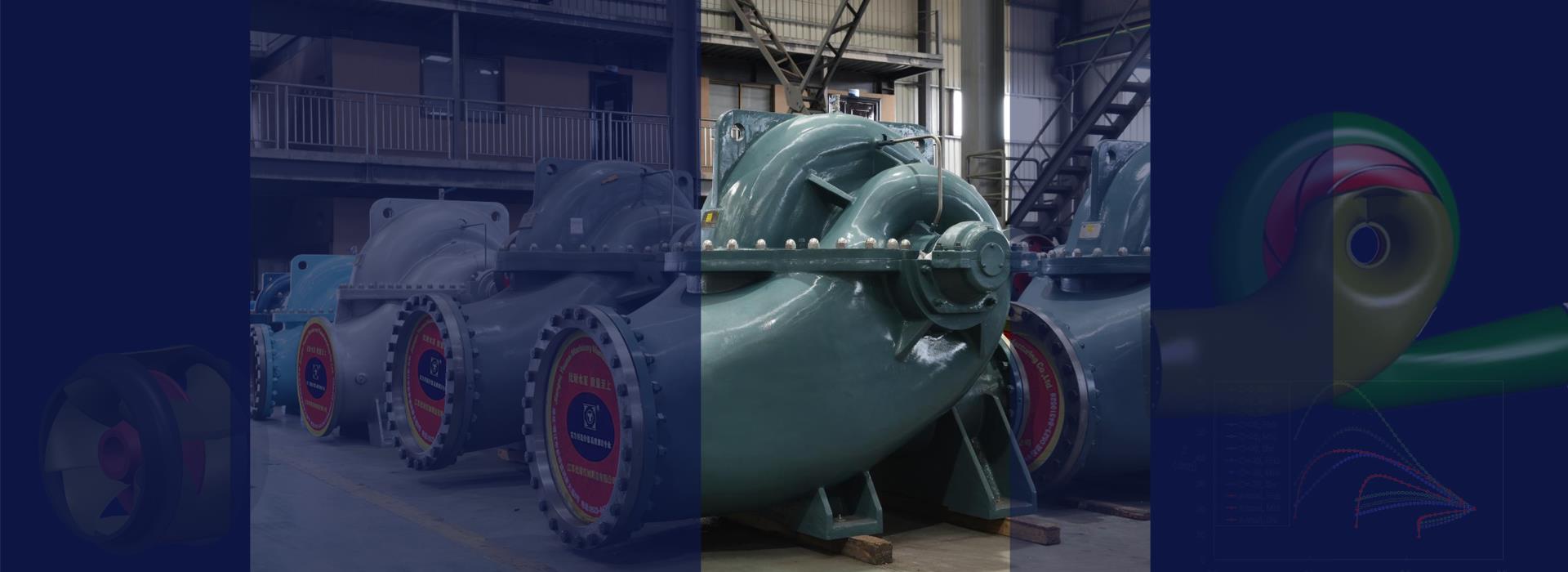
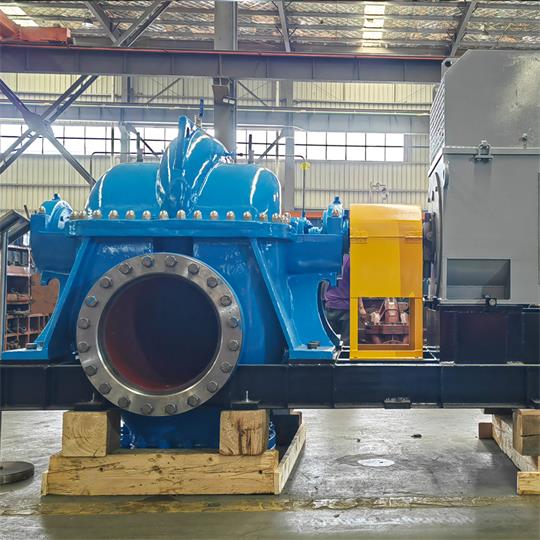
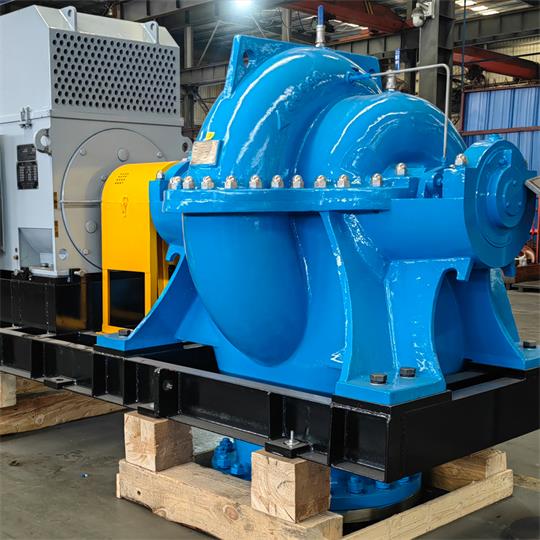
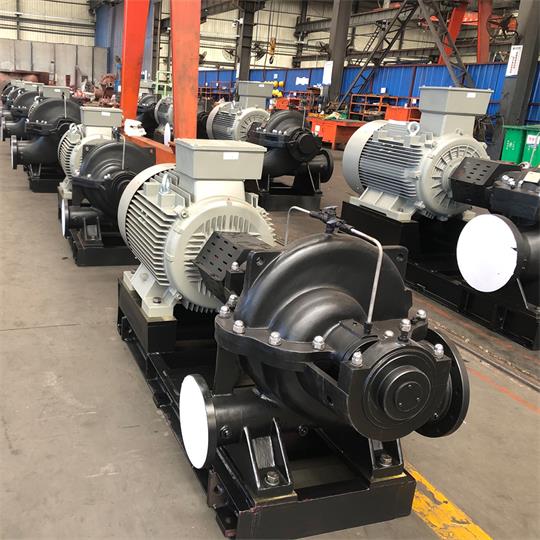
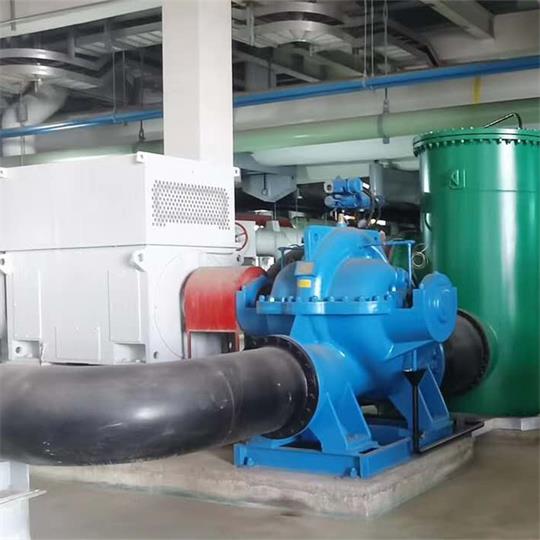
A double suction pump is a single-stage centrifugal pump that uses a double-suction impeller, allowing water to enter symmetrically from both sides. This design balances axial thrust, increases suction capacity, and improves flow stability — making double suction pumps the ideal choice for high-flow, relatively high-head water transfer.
As a leading double suction pump manufacturer with over 30 years of experience, YOUNAI supplies a full range of double suction pumps for industrial, municipal, and agricultural water systems worldwide. We manufacture large double suction centrifugal pumps with discharge diameters up to 1000mm for high-capacity transfer projects. Our high-temperature double suction centrifugal pumps operate reliable at temperatures up to 220°C, while our corrosion-resistant double suction centrifugal pumps are proven in demanding applications. Our pumps are valued for their performance reliability, energy-efficient operation, and long service life.
Industrial Double Suction Centrifugal Pumps
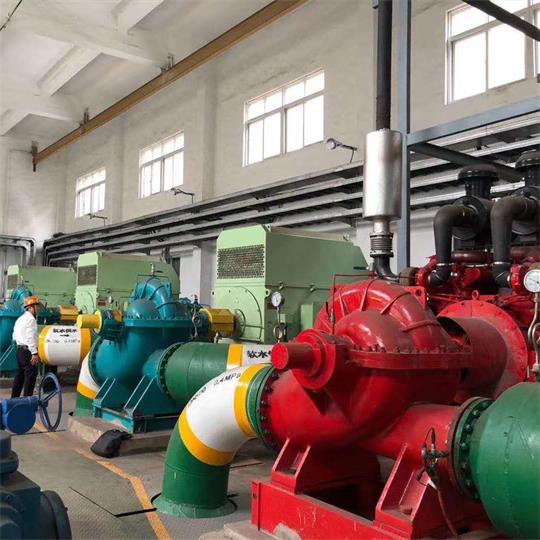
Designed for industrial applications requiring high efficiency, stable operation, and reliable handling of corrosive fluids. Available in a range of materials and configurations to meet the demands of chemical processing, industrial water supply, circulating water systems, seawater transfer, and pulp & paper production.
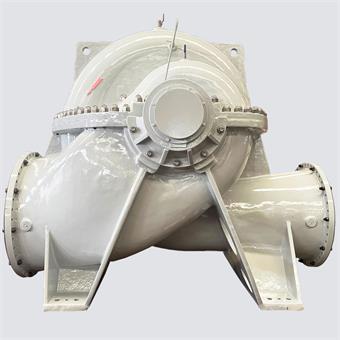
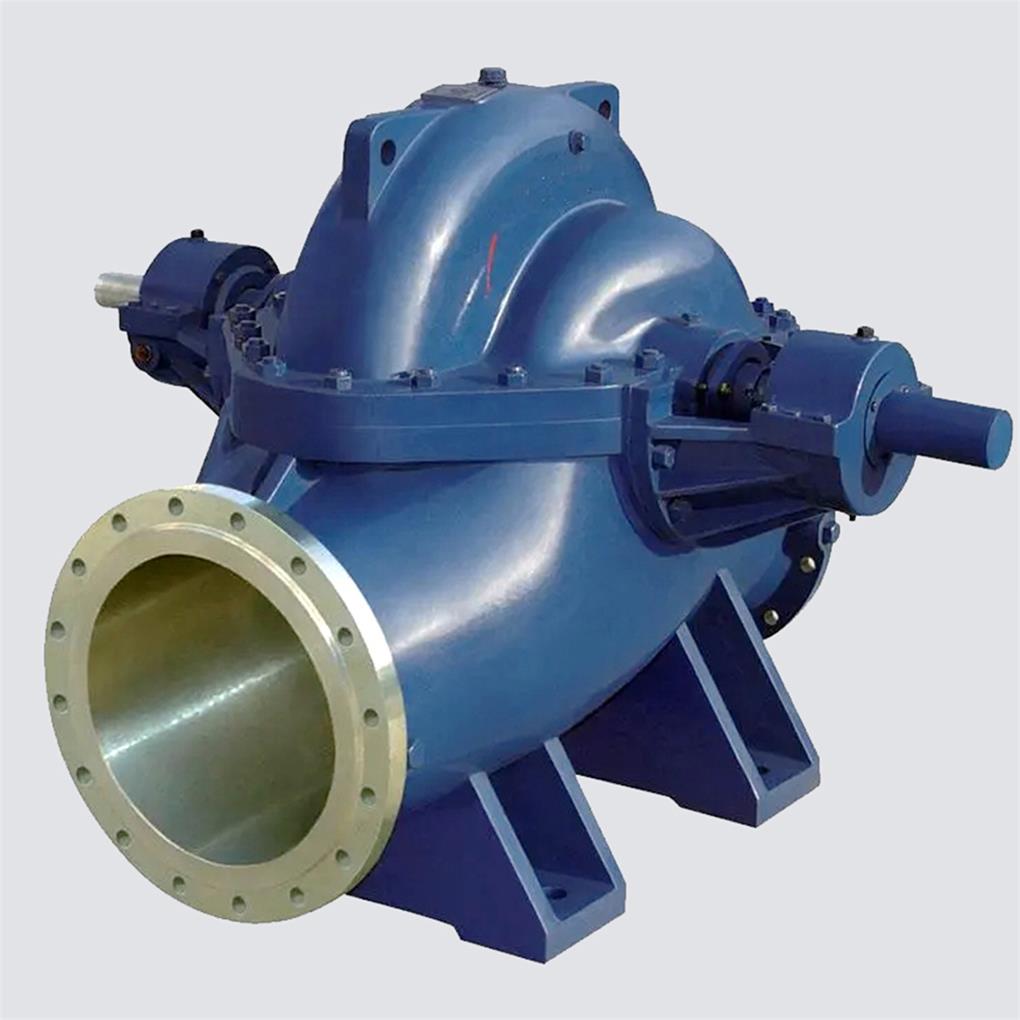
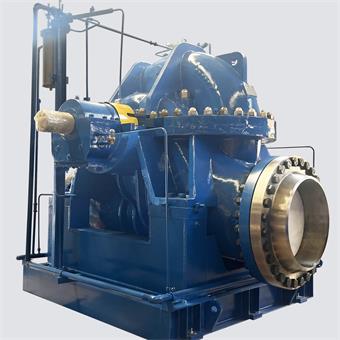
Max flow: 18,000 m3/h
Max temperature: 260℃
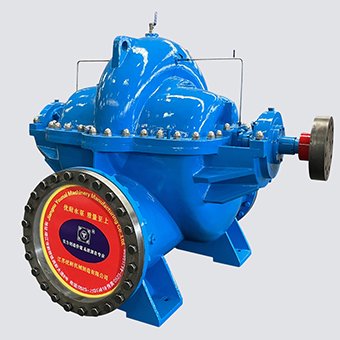
Large Double Suction Centrifugal Pumps
Purpose-built for large-scale water conveyance, our double suction centrifugal pumps combine large volumes and energy efficiency with stable, continuous-duty operation, while robust construction and advanced hydraulics ensure reliability and low maintenance frequency.
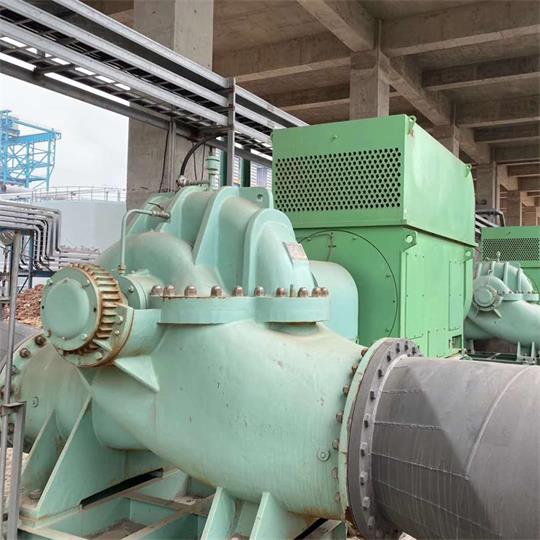
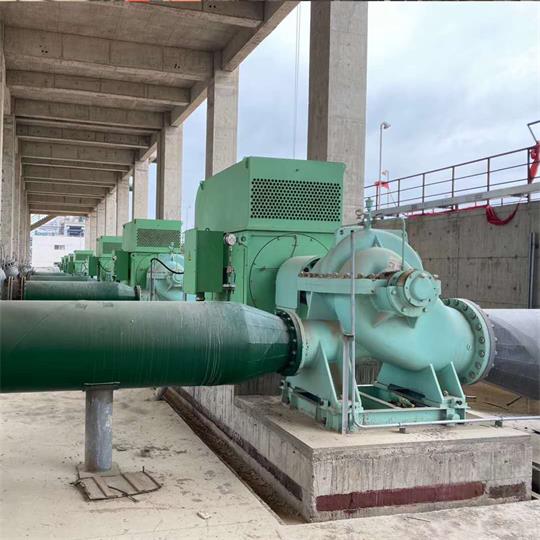
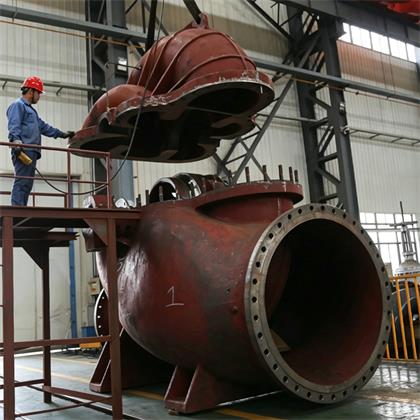 Irrigation Pump Station Double Suction Pump
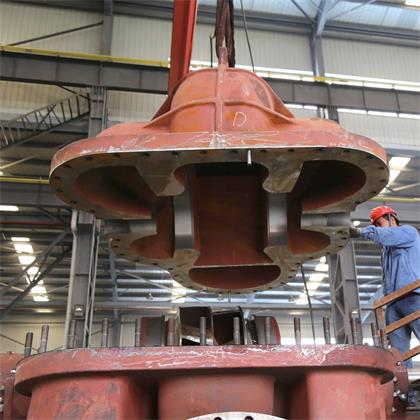 River Water Transfer Double Suction Pump
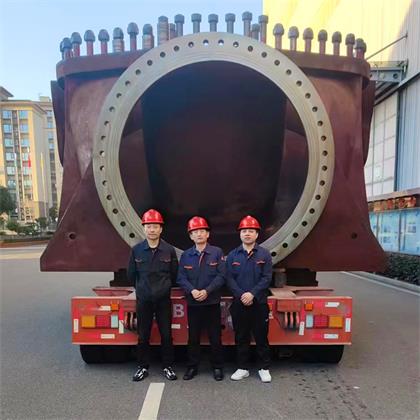 Large-Scale Double Suction Centrifugal Pump
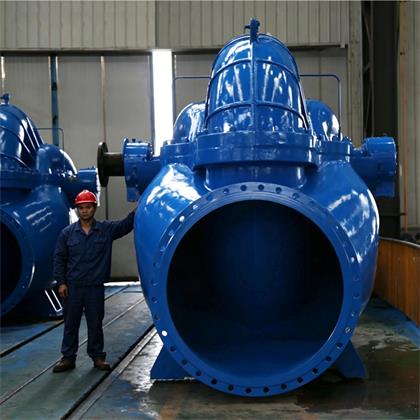 Large Double Suction Water Pump
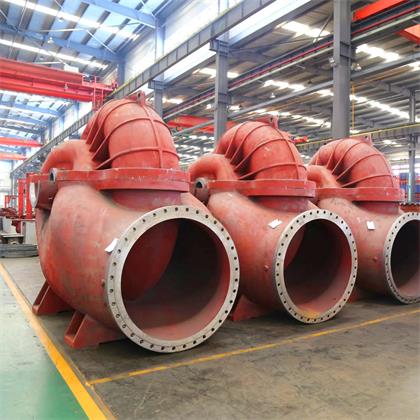 High Flow Double Suction Centrifugal Pump
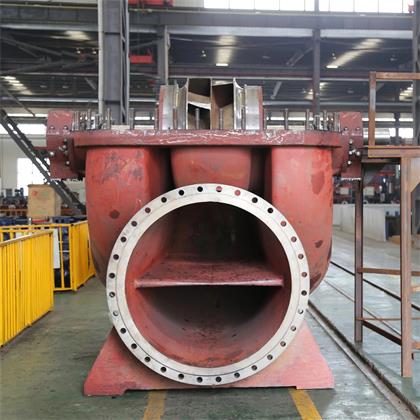 Large Capacity Double Suction Centrifugal Pump
Benefits of Double Suction Centrifugal Pumps
Every advantage below comes from one core design principle: the double-entry impeller. By splitting the flow path and balancing the forces acting on the rotor, double suction centrifugal pumps deliver higher efficiency, longer service life, and lower maintenance costs.

Built to move large volumes while maintaining high head — supporting district heating networks, power plants, and industrial water supply systems.

The optimized double-entry impeller design minimizes hydraulic losses, reducing energy consumption and lowering total operating cost.

Liquids enter the impeller from both sides, reducing inlet velocity and lowering NPSHr requirements for improved cavitation resistance.

The symmetrical impeller design naturally balances axial forces, reducing bearing loads and contributing to smoother operation.

Lower axial thrust and stable rotor support help extend bearing and mechanical seal service life while reducing maintenance requirements.

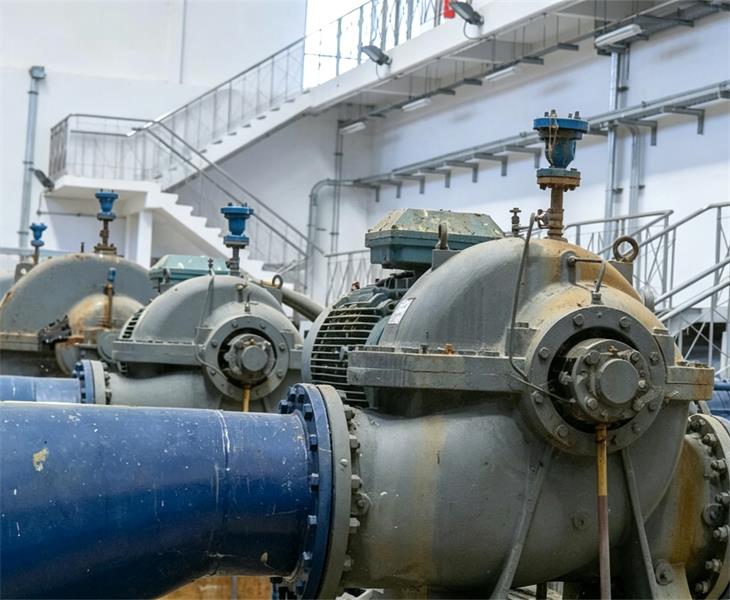
The split-case construction allows quick access to internal components without removing the motor or disconnecting piping, minimizing downtime and service costs.
Wide Hydraulic Coverage
High-efficiency hydraulic design with optimized impeller and volute geometry increases overall efficiency by 2–3% compared with conventional designs.
Reduced NPSHr by 1–3 meters effectively suppresses cavitation risk and improves suction performance under low NPSHa conditions, enabling more flexible system configuration and reducing civil works costs.
Multiple Material Options
A wide range of corrosion-resistant materials ensures reliable performance under varying process conditions, including chemical, seawater, and industrial water systems. Available materials include:
Carbon Steel (general industrial water service applications)
Stainless Steel 304 / 316 / 316L (mild corrosive media)
Duplex Stainless Steel 2205 (chloride-containing seawater, desalination pre-stage)
Super Duplex Stainless Steel 2507 (high chloride, aggressive marine environments)
High-Temperature Capability
Engineered for continuous operation in high-temperature process conditions up to 200°C, ensuring thermal stability and mechanical integrity under long-term duty. Key engineering features:
- Center-supported casing structure minimizesthermal deformation;
- Reinforced casing design enhancesrigidity under high thermal stress;
- Mechanical seal cooling system maintainsstable sealing performance;
- Oil-lubricated bearing system improves heat resistance and service life.
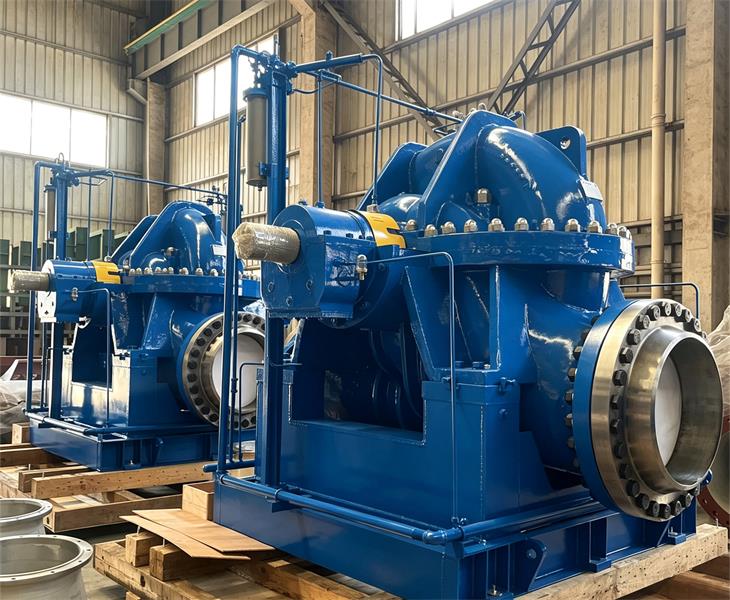
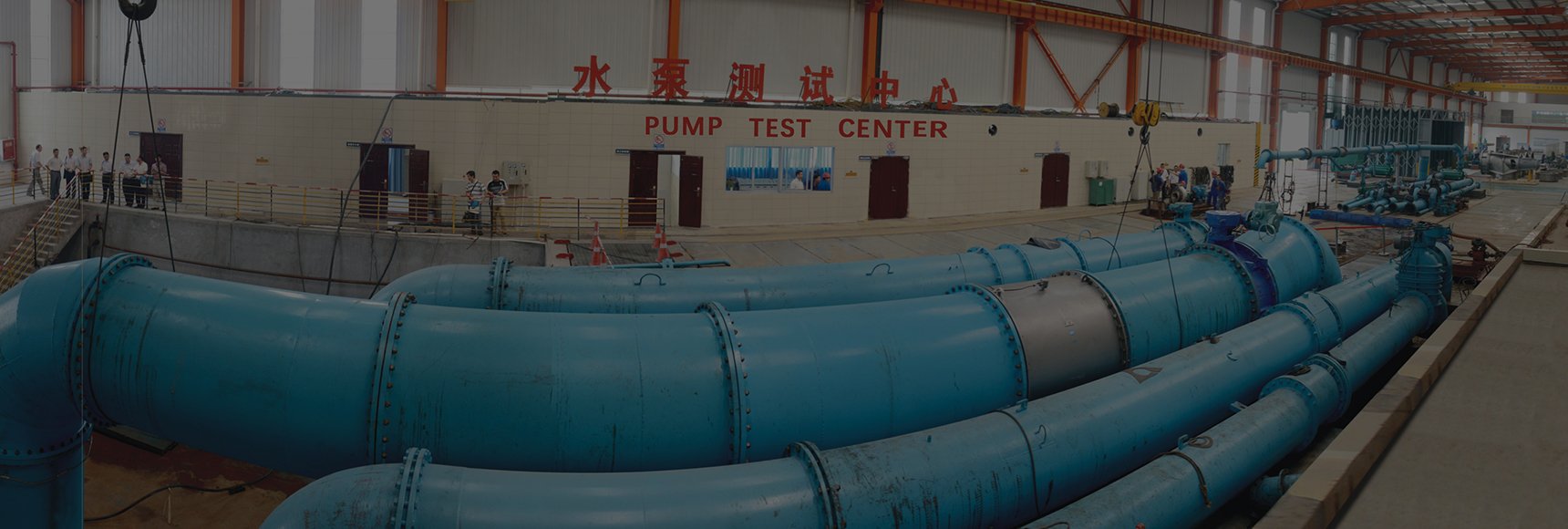
Double suction centrifugal pumps are designed for high-flow, medium-head applications and are widely used in municipal water supply, district heating, industrial cooling and circulating water systems, condensate transfer, agricultural irrigation, water infrastructure projects, inter-basin water transfer systems, and marine water services.
The main difference between end suction and double suction centrifugal pumps lies in how liquid enters the impeller. An end suction pump uses a single overhung impeller with only one suction inlet, drawing liquid in from one side only, and its bearing must bear the axial thrust generated by this one-sided flow.
A double suction pump, on the other hand, has two sets of vanes arranged back to back on the shaft, drawing liquid in symmetrically from both sides. This design cancels out the axial thrust, significantly reducing radial and axial loads, which means smaller bearings, lower power loss, and an impeller that is hydraulically more balanced with minimal residual thrust. By splitting the flow across two suction inlets, the required net positive suction head (NPSH) is also lowered, allowing the pump to achieve higher efficiency over a wider flow range. As a result, double suction pumps can be built in very large sizes and are well suited for high-capacity, high-head applications.
Yes, we can. Double suction centrifugal pumps can be fully customized to match your project’s required flow rate, head, and operating temperature. This is especially true for double suction pumps used in chemical plant applications, where special materials, more complex shaft sealing, and flushing systems are often required. These units are typically built to order rather than kept in stock as standard inventory; this is standard practice across the industry.
Beating Sand Wear: How YOUNAI Engineers Double
Why Double Suction Centrifugal Pumps Excel: High Flow, High Head
Double suction centrifugal pumps deliver high flow and high head. Their impellers are arranged in a back-to-back, symmetrical double-suction configuration, with water entering from both sides at the same time — a design that fundamentally improves the stability of pump operation.
Because water enters from both sides simultaneously, the axial forces acting on the impeller largely cancel each other out. The result: less vibration, lower stress on the bearings, and a longer service life — exactly the characteristics large water transfer projects need.
Where It Matters Most: The Preferred Choice For Large Water Diversion & Water Infrastructure Projects
These advantages are precisely why double suction centrifugal pumps are the preferred choice for large water diversion and water infrastructure projects. When a project needs to move enormous volumes of water — across long distances, against significant head, and around the clock for years at a time — the combination of high flow, high head, and low-vibration stability isn’t a bonus feature. It’s the baseline requirement.
This is where double suction centrifugal pumps consistently outperform other centrifugal pump types: as project scale increases, efficiency rises and energy consumption drops — and their structural advantages translate into real operational value all the more clearly.
The Challenge Every River presents: Sand Wear
But large water diversion projects come with a challenge that has nothing to do with pump design, and everything to do with the water source itself: natural rivers all carry sand, and over time, that sand wears down the pump body and impeller.
This isn’t a defect to be fixed — it’s a physical reality to be engineered around. Understanding exactly how this wear happens is the key to solving it.
Not All Sand Is Equal: How Content & Risk Vary By River Section
Sand content and particle composition can vary significantly — not just between different rivers, but between different sections of the same river system. This is why pump selection needs to account for the specific conditions at each intake point, with particular attention to gravel-heavy river sections, where wear risk is highest.
For large natural rivers specifically, sand content is relatively manageable: mass fraction is generally below 10%, particle size is typically under 1mm, and composition is relatively simple — predominantly quartz. Less aggressive than mining discharge or industrial slurry, certainly — but still capable of causing measurable wear over years of continuous operation.
Engineering The Fix: How YOUNAI Builds Wear Resistance Into Every Double Suction Centrifugal Pump
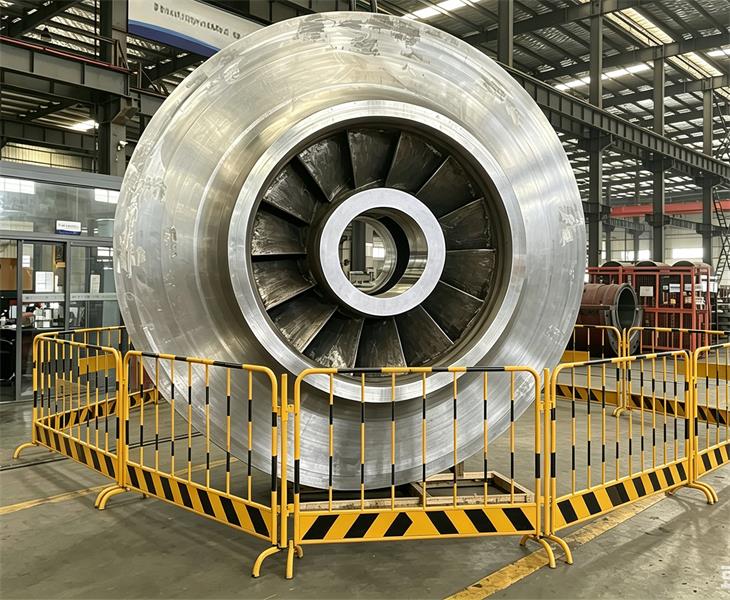
Every wear-resistant double suction centrifugal pump YOUNAI builds addresses sand wear at its root cause — starting with the mechanism itself. Wear on a pump’s flow-wetted components is fundamentally a coupling of two distinct mechanisms: impact wear and abrasive wear. Large gravel particles tend to cause impact wear, striking the blade inlet and blade tip with concentrated force. Fine silt, by contrast, causes abrasive wear — a slower, more even scraping action across the flow channel surfaces and sealing rings. When cavitation occurs in sand-laden water, the picture gets worse: as vapor bubbles collapse, the resulting micro-jets accelerate nearby particles into the surrounding surface, creating a combined wear effect between cavitation and sand that destroys material far faster than either mechanism acting alone.
Each of these mechanisms calls for a different response, which is why YOUNAI’s wear resistance comes from a set of targeted solutions rather than a single fix.
- Optimized Blade Inlet Angle——Cutting Impact Wear At The Source
Optimized blade inlet angle. Since impact wear from larger particles concentrates at the blade inlet and tip, we optimize the angle at which fluid enters the impeller blades to reduce this impact directly — while also improving the impeller’s cavitation resistance, addressing both mechanisms at their most active location.
- High-Chromium Cast Iron—— Maximizing Resistance To Abrasive Wear
High-chromium wear-resistant cast iron. For the impeller and pump body, we use high-chromium cast iron such as Cr27 or Cr28, with a hardness of HRC 58–62 — delivering 3 to 5 times the wear resistance of ordinary cast iron under fine sand conditions, where abrasive wear is most prevalent.
- Duplex Stainless Steel — Wear Resistance Meets Corrosion Resistance
Duplex stainless steel for high-sand, corrosive applications. In projects with higher sand content combined with corrosive water — such as river sections near an estuary — we use duplex stainless steel like CD4MCu, balancing wear resistance and corrosion resistance in a single material solution.
- Surface Hardening — Reinforcing the Most Vulnerable Wear Points
Surface hardening at critical wear points. For high-precision components such as wear rings and seal sleeves, we apply surface hardening treatments — including thermal-sprayed tungsten carbide coatings — significantly extending service life exactly where wear risk is concentrated.
- Sand-Matched Configuration — Tailoring Every Pump to Its River
Sand-matched configuration. Because sand content and composition vary by location, we configure each pump according to the specific conditions of the project — with particular attention to gravel-heavy river sections, where standard configurations are most likely to underperform.
Proven in Practice: Two Applications, One Engineering Approach
This engineering approach is proven across two demanding applications:
Water Infrastructure Projects & Irrigation Pumping Stations — where conditions are often more variable than large rivers, and sand or gravel content can be significant. YOUNAI’s wear-resistant double suction pumps are configured specifically for these conditions.
Large Rivers, Flow Rates Up to 22,000 m³/h — for major water diversion projects drawing from large natural rivers, YOUNAI supplies large double suction centrifugal water pumps engineered to handle fine, low-concentration sand while still delivering large flow, high head, low energy consumption, and a long service life.
Why Engineering — Not Just Design — Determines Long-Term Performance
The structural advantages of double suction centrifugal pumps make them the ideal choice for large water diversion projects — but how much damage sand causes is what determines whether that advantage holds up after years of real-world operation. With the right design optimization and material selection, a double suction pump can preserve that advantage, and even extend it further. YOUNAI brings extensive experience from large water infrastructure projects, and we’re glad to share it — helping you solve your toughest water transfer challenges.