
Engineered for Performance, Built for Reliability
- Direct inline installation minimizes piping modifications and saves valuable floor space.
- High-efficiency hydraulics provide reliable flow with reduced energy consumption.
- Available in vertical and horizontal configurations to suit different system layouts.
- Heavy-duty construction designed for continuous-duty industrial operation.
- Wide hydraulic coverage for applications ranging from moderate to high flow rates.
- Custom-engineered designs, specialty materials, orflexible configurations for severe service.
YOUNAI: Expert in Inline Pump Manufacturing
At YOUNAI, every inline pump is engineered to deliver high hydraulic efficiency, superior material quality, and lasting durability. We specialize in inline pumps built not only for clean water service, but also for corrosive fluids, abrasive media, and demanding process applications—including refineries and chemical plants requiring API 610 OH3 and OH4 compliance.
Our inline single-stage pumps are widely used in water supply and distribution, HVAC heating and cooling systems, fire protection, industrial process circulation, municipal water networks, irrigation, and general fluid transfer applications.
Supported by advanced manufacturing technologies, extensive material options, and strong custom engineering capabilities, YOUNAI delivers dependable pumping solutions built for long-term reliability in demanding conditions.
Whether you need cost-effective inline pumps for bulk procurement or a fully engineered solution for challenging process conditions, YOUNAI delivers both.
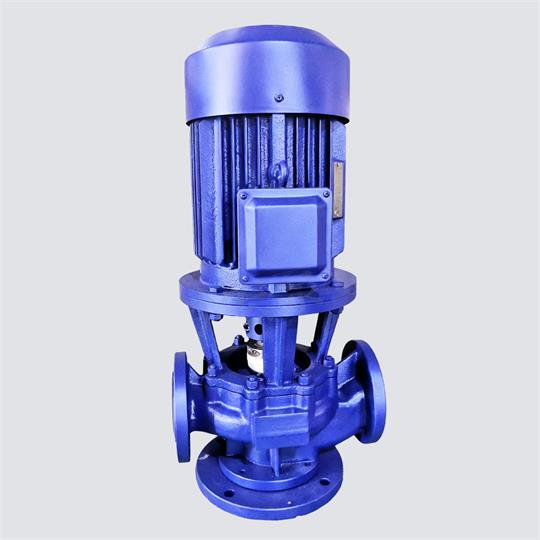
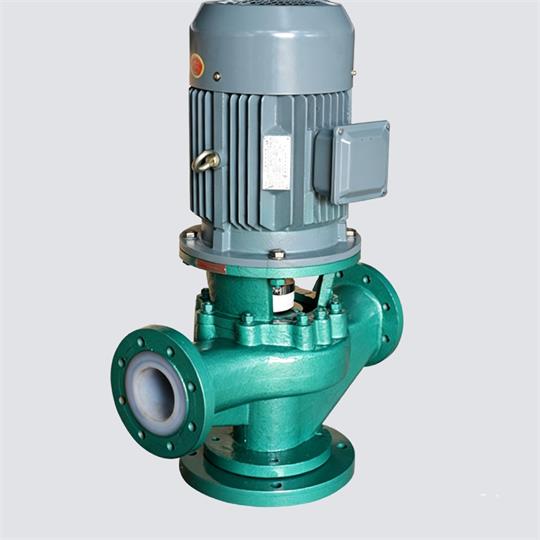
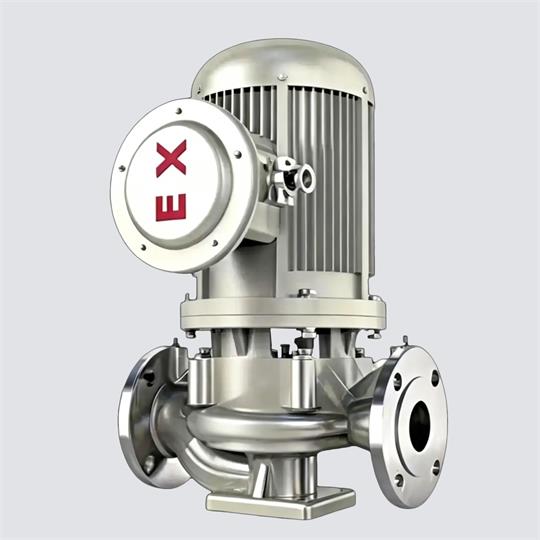
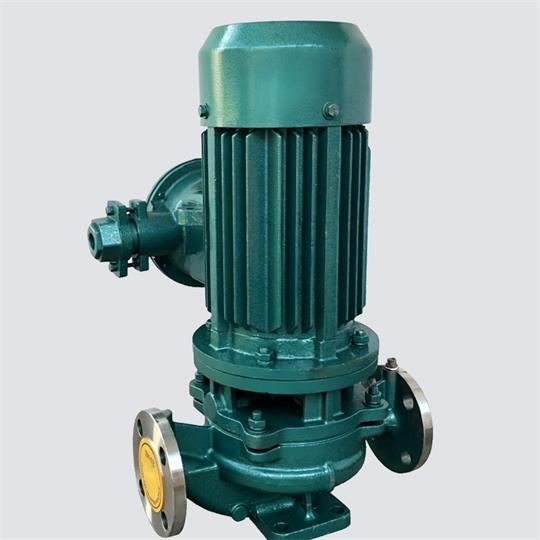
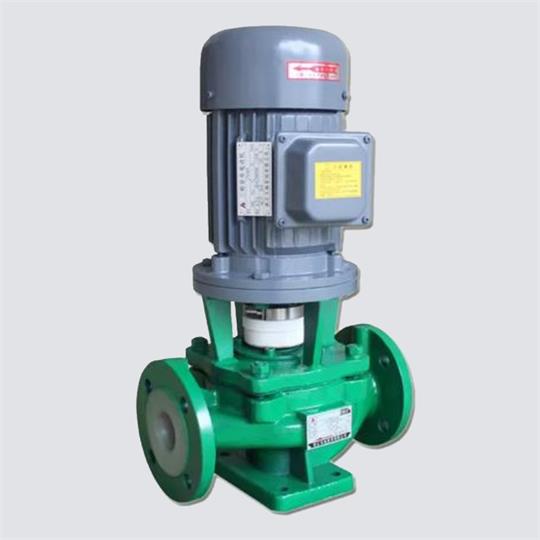
Types of Inline Pumps
A comprehensive range of inline pumps.
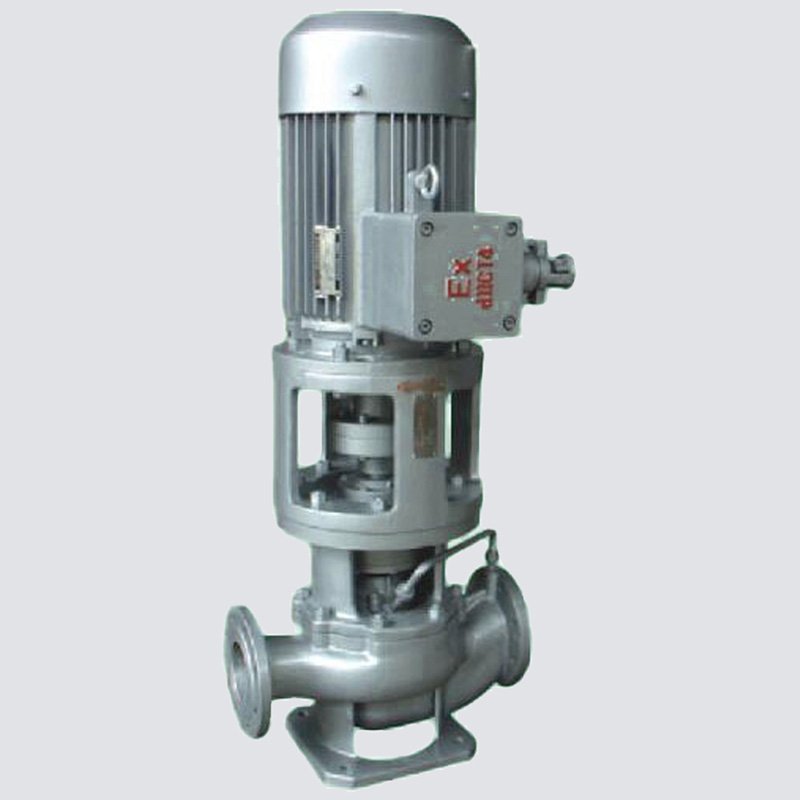
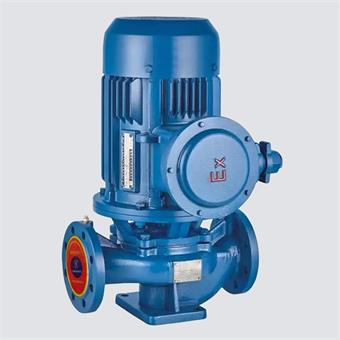
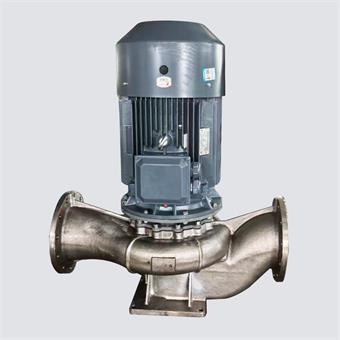
Key Features of YOUNAI Inline Pumps

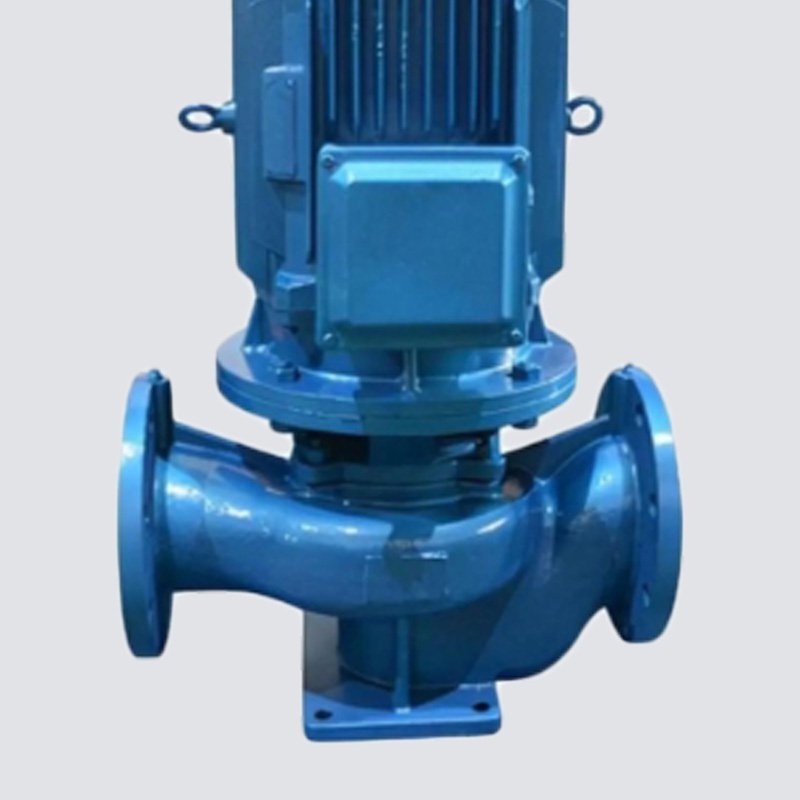
Suction and discharge ports in a straight line — installs directly into existing pipework with no baseplate or system modifications required.

Compact upright configuration minimizes footprint without compromising flow or pressure performance.

CFD-optimized flow path and low NPSHr ensure stable, efficient fluid transfer across a wide range of operating conditions.

Precision-machined components, optimized seal chambers, and impeller balancing holes reduce wear, minimize leaks, and extend service life.

Close-coupled design and mechanical seals simplify installation and servicing — keeping lifecycle costs low.

Both orientations supported — select the configuration that best suits your site layout and piping arrangement.
Matched to Your Media | Built to Last
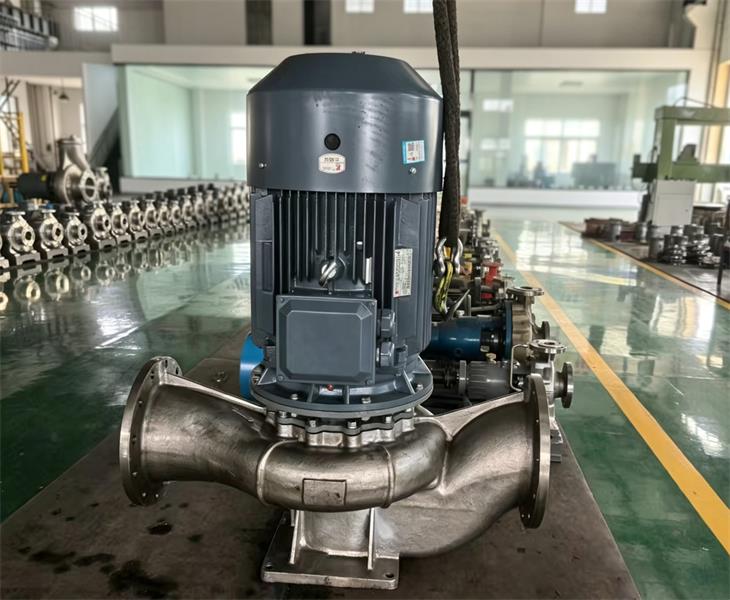
Our corrosion-resistant inline pumps are available in multiple materials.
- Austenitic Stainless Steel (304 / 316) — general chemicals,mild corrosion
- Duplex/ Superstainless steel (2205/2507) — high chloride, stress corrosion, seawater
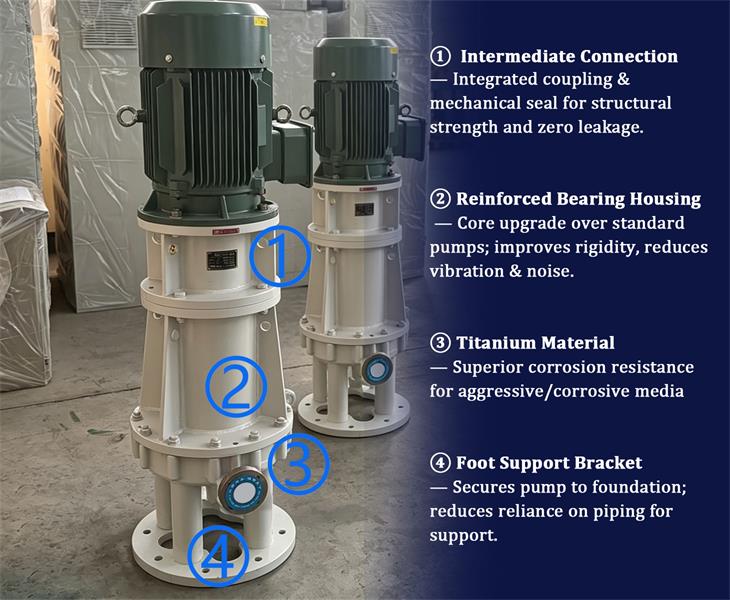
- Titanium alloy (TA2/ TA9) — strong acids, ultrapure water & pharma systems
- PTFE / PFAlined construction — sulfuric acid, hydrochloric acid, dilute acids
Whatever your process demands, YOUNAI has the material expertise to deliver a corrosion-resistant inline pump that performs—and lasts.
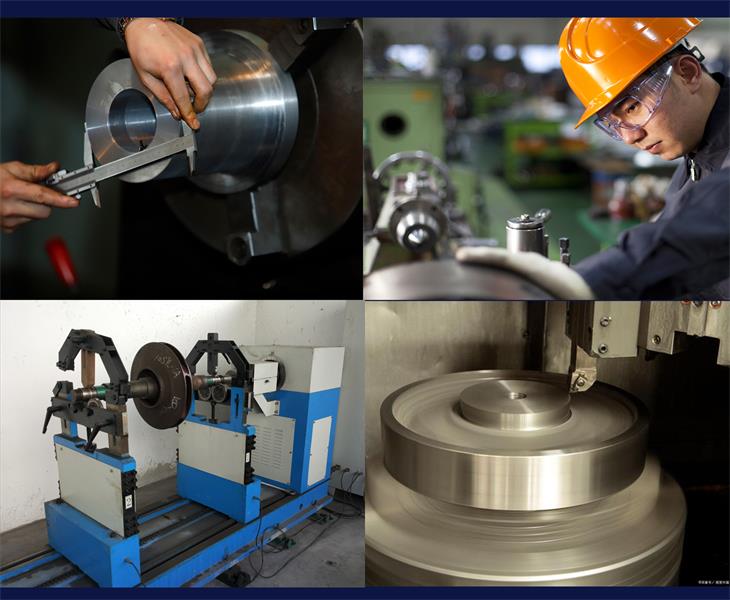
Built for Harsh Conditions
Every structural decision in a YOUNAI inline pump is made to extend service life and maintain performance under continuous heavy-duty operation.
- Independent motor with flexible coupling
- Optimized seal chamber geometry
- Impeller balance holes reduce axial thrust
- Extended bearing & mechanical seal service life
- API 610 OH3 & OH4 compliant refinery and chemical plant inline centrifugal pump applications.
Tailored to Your Exact Requirements
Standard pumps don’t always solve non-standard problems. YOUNAI offers a full range of engineering customizations for your custom vertical inline pump needs.
- Reinforced bearing housing supports
- Thermal insulation jacket
- Auxiliary flush connections
- Dedicated drain & vent ports
- Heavy-duty baseplate for enhanced stability
Tell us your operating conditions — our engineers will configure the right inline pump solution for you.
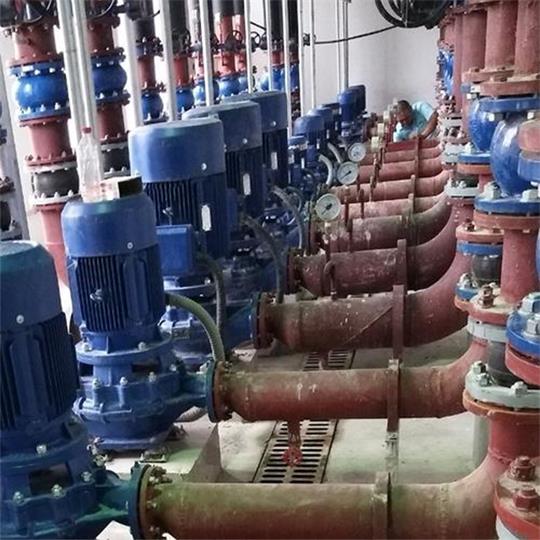
Applications of Inline Pumps
From building services to demanding process environments, our pumps are trusted across industries:
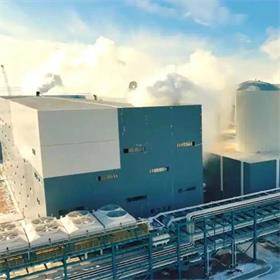
— Hot and chilled water circulation for heating and cooling systems.
Inline pumps deliver the stable, continuous flow that commercial and industrial HVAC systems demand. Their compact footprint and quiet operation make them particularly well suited to plant rooms and occupied building environments where space and noise are both constraints.
— Municipal networks, boosting systems, and potable water.
From maintaining pressure in municipal distribution networks to boosting water supply in multi-story commercial and residential buildings, inline pumps provide reliable, consistent flow with minimal installation footprint.
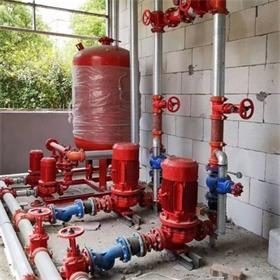
— Reliable water delivery for sprinkler and suppression systems.
Inline pumps provide the dependable, on-demand flow capacity that fire suppression infrastructure requires — with robust construction designed for long standby periods and immediate response under emergency conditions.
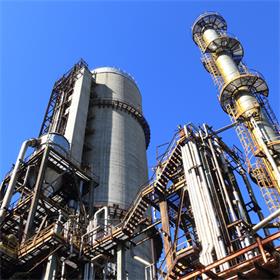
— Fluid transfer and circulation in manufacturing and chemical processing.
From light industrial fluid transfer to demanding process applications requiring API 610 compliance, YOUNAI inline pumps handle a wide range of process fluids and operating conditions. Multi-material construction — including duplex, super duplex, and titanium — ensures compatibility with corrosive and aggressive media.
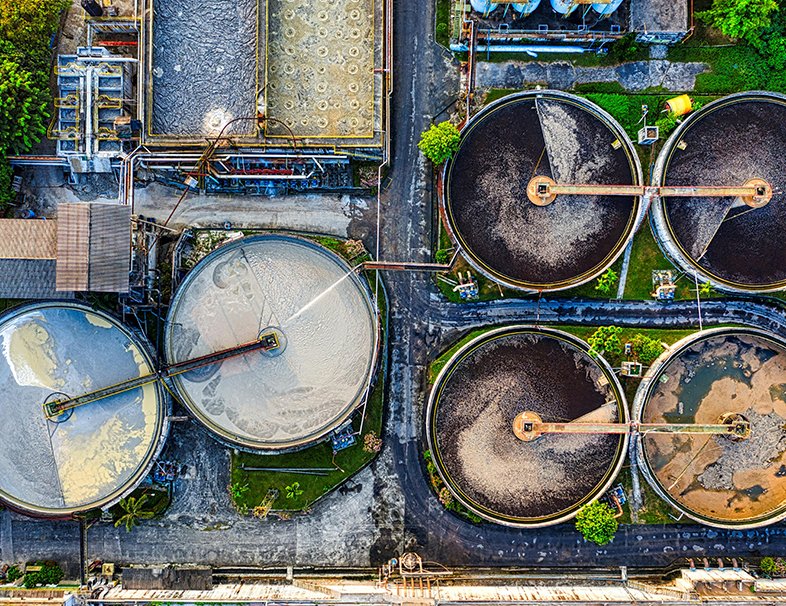
— Water distribution infrastructure keeping communities supplied.
High-capacity inline pumps support large-scale municipal water distribution networks, delivering consistent flow and pressure across extended pipeline systems with minimal maintenance requirements.

— Agricultural and light industrial water transfer.
Scalable flow capacity and straightforward pipeline integration make inline pumps a practical, cost-effective solution for irrigation systems and general water transportation applications.
Yes. Depending on material and seal selection, an inline water pump can handle elevated temperatures and is widely used in heating systems, industrial circulation systems, and process water applications. YOUNAI inline pumps are designed for continuous operation with liquid temperatures up to 180°C / 356°F.
OH3 pumps feature an independently supported shaft with a separate bearing housing and flexible coupling, making them suitable for heavier-duty applications. OH4 pumps use a close-coupled design with the pump shaft rigidly connected to the motor shaft, providing a more compact and economical solution where space is limited.
Inline pumps can be configured as standard pipeline units or as process-duty equipment. A close-coupled design is often used as an (in-line mounted pump) for compact installations, while process versions are used for more demanding operating conditions.
Cast iron and carbon steel are the materials most often used for inline pumps. In water supply, HVAC, and general industrial services, these pumps have proven reliable in long-term service.
For chemical applications, stainless steel is often preferred. 316,316L,2205, and 2507 are commonly used for high-salinity fluids and corrosive process conditions.
Furthermore, Titanium alloys are reserved for the most severe corrosion environments. While such applications are relatively rare, YOUNAI has experience supplying titanium inline pumps.
Yes. Custom configurations — including non-standard materials, special structural features, modified hydraulic curves, and application-specific seal arrangements — are available on request.
Yes. Each inline pump is supplied with a complete installation and operation manual, and inline pumps are designed for simple and straightforward installation. For customized inline pumps, should any installation issues occur, we provide free remote video support.
Inline Pump vs End Suction Pump: Which One Should You Choose?
When selecting pumps for a light industrial circulation system, you’ll often find yourself comparing two common designs: inline pumps and end suction pumps. Both belong to the centrifugal pump family and frequently deliver similar hydraulic performance, which is exactly why the comparison matters. This article breaks down their key differences to help you determine which solution actually fits your application — and helps you avoid the wasted floor space, installation headaches, energy losses, and inflated lifecycle costs that come with the wrong choice.
Construction — the root of every other difference
This is where we start, because the structural design dictates how each pump gets installed and maintained.
Inline Pump: Suction and discharge ports sit on the same axis, so the pump installs directly into the pipeline like just another section of pipe. The motor typically sits on top, with the pump body largely supported by the piping itself.
End Suction Pump: Water enters axially and discharges radially. The pump needs to sit on a concrete foundation, with the motor connected to the pump through a coupling.
What this means in practice: an inline pump saves you installation space and eliminates the need to pour a dedicated pump base — a real advantage in tight spaces or on projects where speed of installation matters.
Maintenance and Downtime
The “back-pull-out” advantage of inline pumps: With a well-built, modular inline pump, servicing the mechanical seal or bearings usually only requires removing the motor assembly — the pump body itself can stay right where it is on the pipeline.
The traditional headache with end suction pumps: Most end suction pumps require disconnecting the pipe flanges, pulling the entire pump body out, and then re-checking alignment before putting everything back together.
On large water transmission systems with dozens of pump stations, that kind of routine maintenance adds up fast. Easier servicing translates directly into lower total maintenance costs over the pump’s lifetime.
Pricing and Procurement
Inline pumps are built around a modular design with high market penetration. Manufacturing capacity is strong, lead times are short, and spare parts are highly standardized — wherever you’re located, you can usually source common components locally without much trouble.
End suction pumps, by contrast, come in far more design variations, with hydraulic models that differ significantly from one manufacturer to the next. Parts interchangeability is weaker, and replacement components often have to come from the original manufacturer — which can mean longer waits when something fails.
Because of this market-wide standardization, inline pumps tend to have a clear edge on procurement cost.
Which Pump Is Better?
There is no universally “better” pump. The right choice depends on the installation environment, maintenance strategy, and lifecycle cost objectives.
For applications where space is limited and installation simplicity is important, inline pumps are often the preferred solution.
For applications involving heavy-duty service conditions or highly customized hydraulic requirements, end suction pumps may still be the preferred solution.